
RUWES Joins Stakeholders to Address Highly Hazardous Pesticides in Nigeria

RUWES Joins Stakeholders to Address Highly Hazardous Pesticides in Nigeria The Rural Women Energy Security (RUWES) Initiative Nigeria was honored to participate in the Inception Workshop for the project “Addressing Highly Hazardous Pesticides Responsible for Poisoning and Deaths in Nigeria for Improved Decision-Making and Effective Poisoning Prevention.” This critical gathering convened key national and international stakeholders committed to tackling the growing threat posed by toxic pesticides. The technical sessions featured expert presentations on a range of pressing issues, including: RUWES was represented by the Head of Secretariat, Mrs. Jumaima Ella, alongside a member of the Secretariat team, reaffirming the organization’s dedication to protecting the health and wellbeing of rural communities. At the workshop, RUWES highlighted its ongoing efforts to reduce dependence on toxic pesticides through climate-smart agricultural practices. These include scaling biogas technology that transforms agricultural waste into high-quality organic NPK fertilizer, as well as training rural women farmers on safe, sustainable, and environmentally friendly farming techniques. RUWES remains committed to strengthening partnerships, promoting sustainable alternatives, and safeguarding vulnerable populations—especially rural women and children—from the dangers of highly hazardous pesticides. Together, we can prevent poisoning, protect livelihoods, and build a pesticide-safe future for Nigeria.
RUWES at the Inception Workshop of the FARM+ Project

RUWES at the Inception Workshop of the FARM+ Project RUWES participated in the Inception Workshop of the Financing Agrochemical Reduction and Management Plus (FARM+) Project, held on 18th September 2025 at the African Development Bank (AfDB) Nigeria Country Office, Abuja. Organized by the Federal Ministry of Environment in collaboration with AfDB and supported by the Global Environment Facility (GEF), the workshop officially launched the FARM+ Project, aimed at reducing agrochemical pollution and promoting sustainable farming practices in Nigeria. The Head of Secretariat, RUWES, delivered a remarkable goodwill message emphasizing the role of rural women in advancing safe and climate-smart agriculture. The event featured goodwill remarks from key stakeholders and technical sessions led by Engr. Dr. (Mrs.) Bahijjahtu Abubakar, who spoke on behalf of the Permanent Secretary, Federal Ministry of Environment. A key highlight was the presentation by SRADev Nigeria on the national situation of Highly Hazardous Pesticides (HHPs) and Nigeria’s commitments under Multilateral Environmental Agreements (MEAs). The workshop concluded with a shared commitment among stakeholders to collaborate in promoting safer agrochemical management and sustainable agricultural development across Nigeria.
RUWES AT THE FEDERAL MINISTRY OF ENVIRONMENT EMPOWERMENT WORKSHOP

In line with our mission to champion clean energy solutions and empower rural women, RUWES participated in the Environmental Empowerment Workshop for Female Gender Officers hosted by the Federal Ministry of Environment. Themed “Unlocking a Sustainable Future: Women Championing the Circular Economy,” the workshop highlighted the vital role women play in driving sustainable development. The RUWES team showcased an innovative biogas production demonstration, emphasizing the transformative potential of clean energy from agricultural and organic waste.
RUWES Nigeria Celebrates World Environment Day 2025

On 17th June 2025, RUWES Nigeria, in collaboration with the Federal Ministry of Environment, marked World Environment Day under the theme Ending Plastic Pollution. The event highlighted RUWES’ commitment to environmental sustainability and women’s empowerment. A major milestone was the signing of a Memorandum of Understanding (MOU) between RUWES and Environmental Expression Limited (EEL) to support the rollout of the Plastic Waste to Wealth Initiative. RUWES officially launched the initiative during the event, with the Head of Secretariat demonstrating how rural women can exchange collected plastic waste for financial value. The first round of payments was facilitated by EEL, showcasing the immediate impact of the program. The day also featured a Plastic Innovation Exhibition, showcasing recycled products and waste-to-resource solutions, with participation from Zoomlion Ghana, reinforcing regional collaboration for a cleaner Africa. RUWES remains committed to turning waste into opportunity and building a greener, more sustainable future for women and communities across Nigeria.
RUWES Participates in the Launch of Nigeria’s National Clean Air Programme

RUWES joined stakeholders at the official launch of the National Clean Air Programme (NCAP) and the #BreatheEasyNigeria Campaign, held on Wednesday, 10th September 2025 at the Conference Hall, Green Building, Federal Ministry of Environment, Abuja, in commemoration of the 2025 International Day of Clean Air for Blue Skies. The event, graced by the Honourable Minister of Environment, Mallam Balarabe Abbas Lawal, featured goodwill messages from development partners and a technical presentation by Engr. Dr. (Mrs.) Bahijjahtu Abubakar (FNSE), Director of the Department of Pollution Control and Environmental Health. Highlights included the official unveiling of the NCAP Framework, the signing of an MoU on Air Quality, and the symbolic installation of air quality monitoring devices aimed at strengthening Nigeria’s air pollution management systems. RUWES commends the leadership of the Department of Pollution Control and Environmental Health for championing clean air initiatives and reaffirms its commitment to promoting sustainable practices that protect public health and the environment.
RUWES at the Nigeria Alliance for Clean Cooking Forum 2024
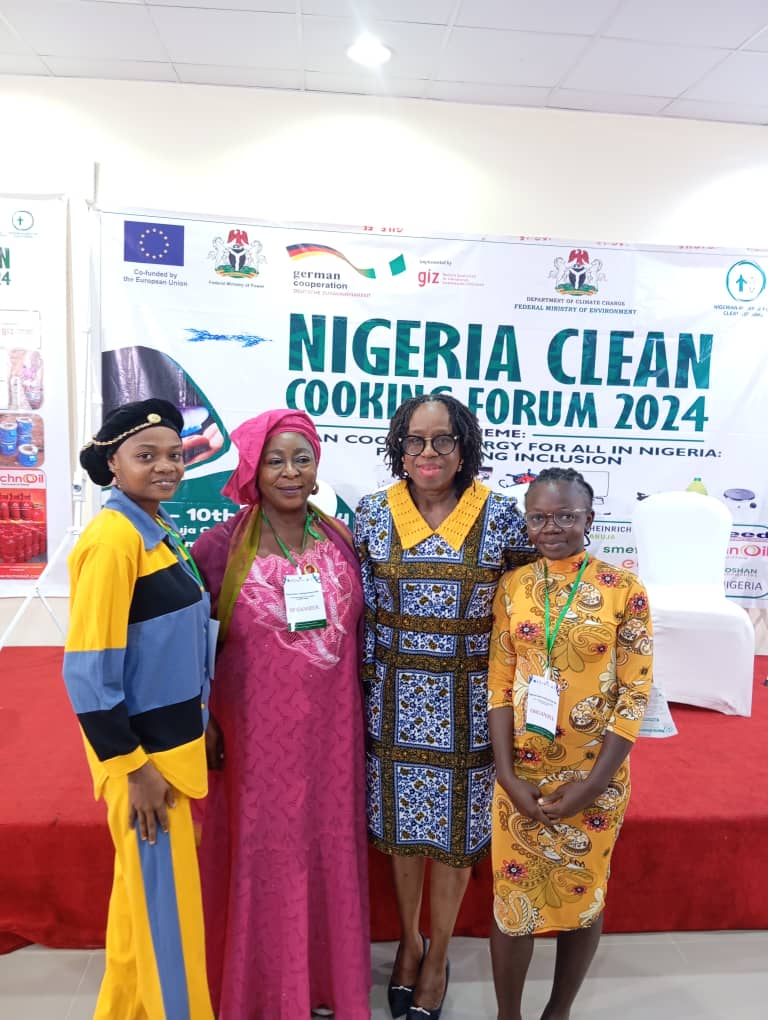
The Rural Women Energy Security (RUWES) Initiative Nigeria actively participated in the Nigeria Alliance for Clean Cooking Forum 2024, a premier national gathering that brought together stakeholders from government, development partners, private sector, and civil society to advance the clean cooking agenda in Nigeria. The forum provided a dynamic platform for dialogue on policy implementation, technology innovation, financing mechanisms, and behavioral change strategies required to accelerate the adoption of clean and sustainable cooking solutions across the country. RUWES was represented by the Head of Secretariat, Mrs. Jumaima Ella, alongside members of the RUWES team. Their participation underscored RUWES’s continued commitment to empowering rural women through access to clean cooking energy, promoting health, environmental sustainability, and gender equality. In alignment with the national clean cooking policy, RUWES reaffirmed its dedication to supporting the transition from traditional biomass fuels to cleaner alternatives such as LPG, biofuels, briquettes, biogas and solar stoves. The initiative continues to work with communities, especially women-led households, to promote cleaner, safer, and climate-friendly energy practices that improve livelihoods and reduce deforestation. The Nigeria Alliance for Clean Cooking Forum 2024 was not only a platform for knowledge sharing but also an opportunity to strengthen collaborations towards achieving Nigeria’s clean energy and climate goals. RUWES remains steadfast in driving grassroots engagement and ensuring that rural voices are central to the clean cooking movement.
World Toilet Day 2024

RUWES, in partnership with the Federal Ministry of Environment and other key stakeholders, commemorated World Toilet Day on November 18–19, 2024, in Kano State, Nigeria. Themed, “Toilet – A Place for Peace,” and the slogan, #UseTheToiletAndHavePeace, underscored the critical role of proper sanitation in fostering health, dignity, and harmony within communities. RUWES reaffirmed its commitment to empowering rural women and communities by advocating for accessible and sustainable sanitation solutions that enhance public health and environmental wellbeing.
The Far-Reaching Effects of Microplastics on Human Health and the Environment

Growing environmental consciousness has made microplastics a major concern due to their widespread presence. These tiny plastic particles—which are less than 5 mm in size—are pervasive in our ecosystems and seriously endanger the environment and human health. Our mission at RUWES (Rural Women Energy Security Initiative) is to promote sustainable practices and address environmental issues. This article examines the effects of microplastics and suggests strategies to lessen their negative effects. Microplastics originate from various sources, including the breakdown of larger plastic debris, microbeads in personal care products, and synthetic fibers from clothing. These particles are small enough to bypass conventional filtration systems, leading to widespread contamination in oceans, rivers, soil, and even the air we breathe. In marine environments, microplastics are particularly detrimental. Marine organisms, ranging from tiny plankton to large fish, inadvertently ingest these particles, which can cause physical harm such as blockage of digestive tracts, reduced feeding ability, and internal injuries. Additionally, microplastics can accumulate toxic substances from the environment, which then enter the food chain, impacting a wide range of species and potentially leading to ecosystem imbalances. Microplastics also pose significant risks to soil and agriculture. These particles can alter soil structure, reduce water retention, and hinder plant growth. In agricultural settings, microplastics can be introduced through the use of contaminated water or plastic-based mulches, ultimately affecting crop yield and quality. This contamination not only jeopardizes plant health but also threatens food security and agricultural sustainability. Recent research has revealed that microplastics are present in the air, especially in urban areas. Airborne microplastics can settle on water bodies and land, contributing to broader environmental contamination. The presence of microplastics in the air we breathe raises concerns about their impact on respiratory health and overall air quality. Humans are exposed to microplastics through the consumption of contaminated food and water and the inhalation of particles in the air. These particles have been found in a variety of food products, including seafood, salt, and even bottled water. Once ingested, microplastics can accumulate in the digestive system and potentially penetrate bodily tissues. The health implications of this exposure are still being studied, but the potential for harm is significant. Microplastics can carry toxic chemicals, including pesticides, heavy metals, and persistent organic pollutants. These substances can leach into human tissues, posing risks such as hormonal disruptions, inflammation, and increased susceptibility to diseases. The smallest particles, capable of penetrating deep into the lungs, may enter the bloodstream, raising concerns about their systemic effects on human health. Addressing the microplastics problem requires a multifaceted approach. Reducing our reliance on single-use plastics is one of the most effective strategies. Embracing reusable products, supporting bans on plastic bags and straws, and encouraging sustainable packaging can significantly reduce plastic waste. Improved waste management systems are also crucial. Enhancing plastic collection and recycling processes, promoting the use of biodegradable materials, and ensuring proper disposal of plastics can help mitigate microplastic pollution. Investing in research to understand the full extent of microplastic pollution and developing innovative solutions to filter and remove microplastics from the environment is essential. Supporting scientific studies and technological advancements can lead to effective strategies to combat the impact of microplastics. Raising awareness about the sources and effects of microplastics is key to driving change. Educational programs and campaigns can empower individuals and communities to adopt more sustainable practices and advocate for policies that reduce plastic pollution. Microplastics pose a complex and growing threat to our environment and health. At RUWES, we are committed to promoting awareness and encouraging actions that lead to a cleaner, healthier planet. By understanding the impact of microplastics and taking proactive steps to reduce plastic pollution, we can protect our ecosystems and ensure a sustainable future for generations to come.
The Hidden Dangers of Carbon Monoxide Inhalation from Traditional Firewood Cooking

The Hidden Dangers of Carbon Monoxide Inhalation from Traditional Firewood Cooking Cooking with traditional firewood is still a popular practice in many rural communities. Despite being an essential part of daily life and ingrained in cultural traditions, this approach is extremely risky to one’s health, particularly when carbon monoxide (CO) is inhaled. Our mission at RUWES (Rural Women Energy Security Initiative) is to safeguard the health and welfare of rural women and their families by drawing attention to these risks and promoting safer, more environmentally friendly cooking practices. Understanding Carbon Monoxide Carbon monoxide is a colorless, odorless gas produced by the incomplete combustion of carbon-containing fuels, such as firewood. Because it cannot be seen or smelled, CO is particularly dangerous, as its harmful effects can occur without immediate detection. Health Risks of Carbon Monoxide Inhalation Respiratory Issues: Inhaling smoke and carbon monoxide can lead to immediate respiratory distress and chronic respiratory problems over time. Prolonged exposure can cause chronic bronchitis and chronic obstructive pulmonary disease (COPD). The fine particulate matter in smoke irritates the respiratory tract, causing inflammation and reducing lung function. Cardiovascular Problems: CO binds with hemoglobin in the blood more effectively than oxygen, forming carboxyhemoglobin, which reduces the blood’s oxygen-carrying capacity. This can lead to hypoxia (oxygen deprivation), placing a strain on the cardiovascular system and increasing the risk of heart disease, high blood pressure, and other cardiovascular conditions. Neurological Effects: The brain is highly sensitive to oxygen levels, and CO exposure can cause neurological symptoms such as headaches, dizziness, confusion, and even loss of consciousness. In severe cases, it can lead to permanent brain damage or death. Children and the elderly are particularly vulnerable to these effects. Reproductive Health: For pregnant women, inhaling CO poses significant risks. CO can cross the placental barrier, affecting the developing fetus. This exposure can lead to low birth weight, developmental delays, and, in severe cases, stillbirth or infant mortality. Broader Impacts on Rural Women Increased Health Care Costs: Frequent respiratory and cardiovascular illnesses lead to increased healthcare expenses. For rural families, these costs can be debilitating, diverting resources from other essential needs such as education and nutrition. Reduced Productivity: Health issues stemming from CO exposure reduce the productivity of rural women, who often bear the brunt of household chores and farming activities. This not only affects their personal well-being but also the economic stability of their families. Environmental Degradation: The reliance on firewood contributes to deforestation, which exacerbates environmental degradation and climate change. This, in turn, impacts agricultural productivity and the availability of natural resources, creating a vicious cycle of poverty and environmental harm. Promoting Safer Cooking Methods Improved Cookstoves: One of the most effective solutions is the adoption of improved cookstoves that are designed to burn fuel more efficiently and produce less smoke. These stoves not only reduce CO emissions but also decrease the amount of firewood needed, helping to conserve local forests. Alternative Fuels: Promoting the use of alternative, cleaner fuels such as biogas, briquettes made from agricultural waste, or solar cookers can significantly reduce CO exposure. These alternatives are not only safer but also more sustainable in the long run. Education and Awareness: Educating rural communities about the dangers of CO and the benefits of safer cooking practices is crucial. Awareness campaigns can encourage the adoption of improved technologies and foster a culture of health and safety. Policy Support: Government policies that support the distribution and adoption of clean cooking technologies can play a pivotal role. Subsidies, grants, and training programs can make these technologies more accessible to rural populations.
RUWES Nigeria Celebrates World Environment Day with Renewed Commitment from the Ministry of Agriculture
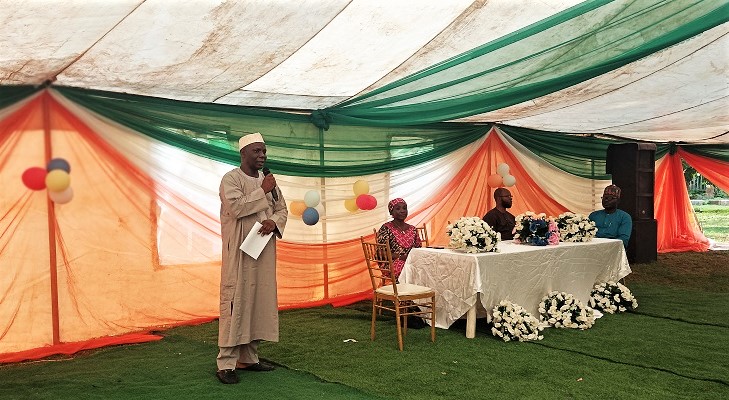
RUWES Nigeria is thrilled to share the remarkable support and commitment demonstrated by the Ministry of Agriculture towards fostering a cleaner, greener environment. The world environment day, held with great enthusiasm, saw a significant representation from the Ministry, highlighting the importance of sustainable practices in agriculture and the empowerment of rural women. Representing the Minister of Agriculture, made a powerful statement of commitment to a cleaner environment. The Minister emphasized the Ministry’s dedication to advancing agricultural practices that are both sustainable and environmentally friendly. This pledge is a testament to the growing recognition of the crucial intersection between agriculture and environmental stewardship. In his address, the Minister reiterated the Ministry’s unwavering support for agriculture and rural women. He highlighted the pivotal role that rural women play in the agricultural sector and acknowledged their efforts in driving sustainable practices. The Minister praised the RUWES initiative for its impactful work in empowering rural women with the knowledge and skills necessary to adopt and promote eco-friendly practices. The Minister commended the efforts of the RUWES initiative, acknowledging the significant impact it has made in the lives of rural women. By providing hands-on training in key areas of sustainability, RUWES has enabled women to become champions of environmental conservation within their communities. The Minister expressed his admiration for the initiative’s dedication to creating a sustainable future through the empowerment of women. The World Environment Day celebration at RUWES was marked by a series of engaging and informative activities. Participants were trained in various sustainable practices, including briquette production from agricultural waste, setting up biogas digesters, producing methane for clean energy, and creating clay pot water dispensers for clean drinking water. These hands-on sessions equipped the women with practical skills to implement in their communities, fostering a ripple effect of positive environmental change. The Ministry of Agriculture’s commitment to supporting RUWES and promoting sustainable agriculture practices is a significant step towards achieving a cleaner, more sustainable environment. By empowering rural women, we are not only enhancing their livelihoods but also ensuring the health and well-being of their communities and the planet.