
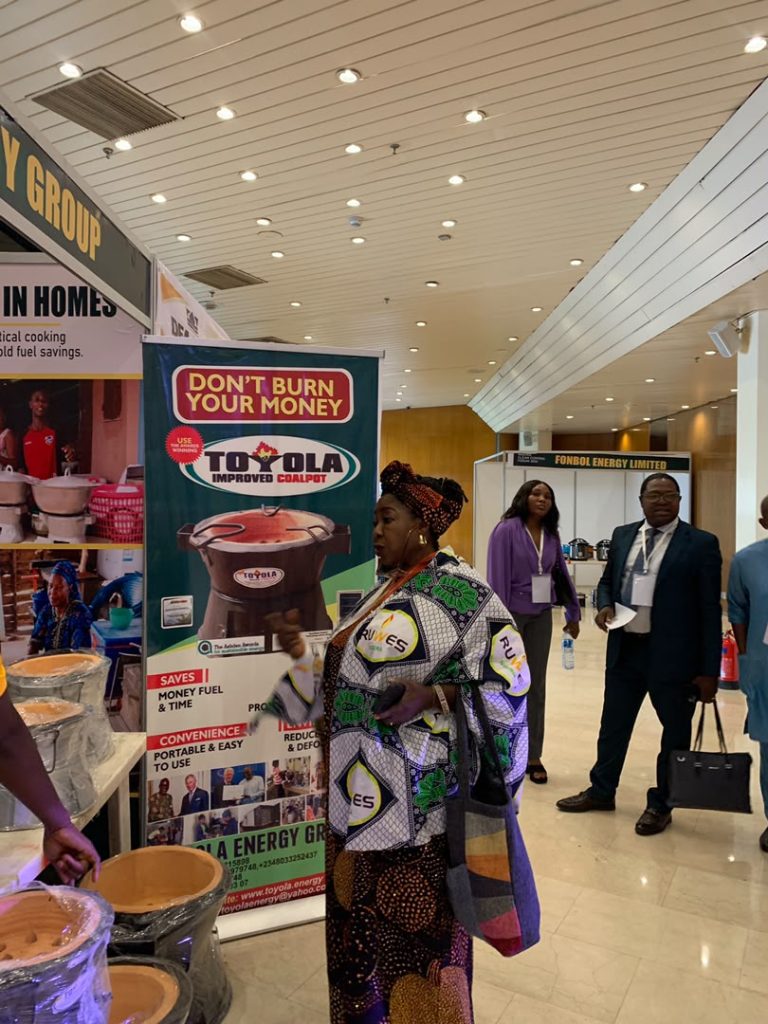
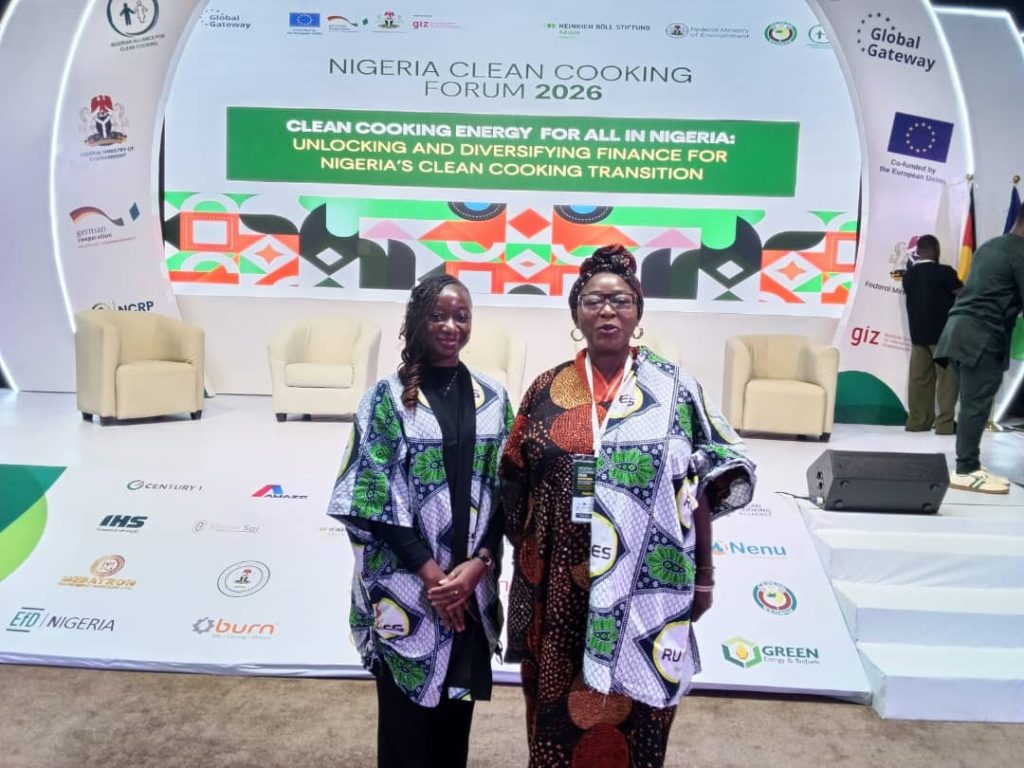
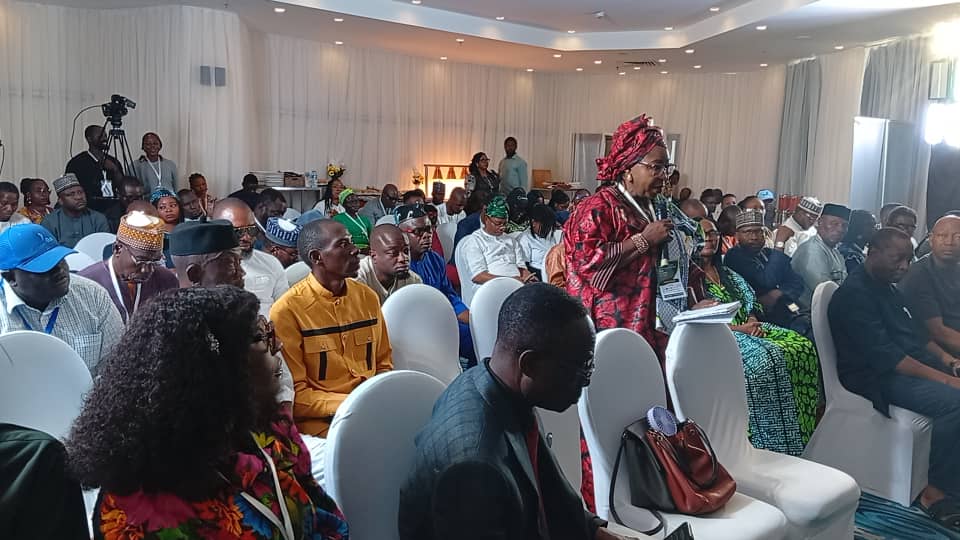
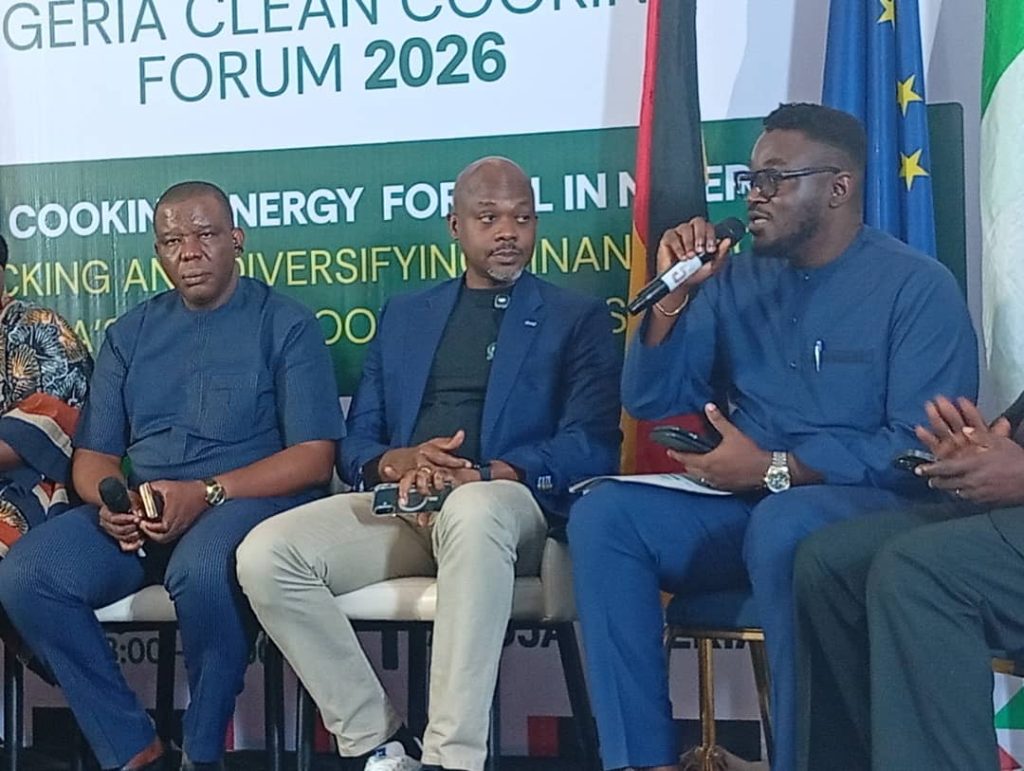
The Rural Women Energy Security Initiative (RUWES) took part in the two-day Nigeria Clean Cooking Forum 2026, held on 28 and 29 October at the Transcorp Hilton, Abuja. The forum was organised by the Nigerian Alliance for Clean Cooking (NACC) in collaboration with the Federal Ministry of Environment, the GIZ Nigeria Energy Support Programme (NESP) and other partners. Under the theme “Clean Cooking Energy for All in Nigeria: Unlocking and Diversifying Finance for Nigeria’s Clean Cooking Transition,” government, development partners, the private sector, financial institutions and civil society met to discuss how to speed up access to clean cooking across the country.
Day 1 opened with a presentation on Nigeria’s carbon market by Mr. Chinonso Agbo, Senior Expert on Climate Policy and Carbon Markets, who spoke virtually. He highlighted the approval of the National Carbon Market Framework and Manual in 2025 and ongoing work on a national carbon registry. He said stronger regulation, local technical capacity, lower certification costs and better data are still needed before the market is fully operational. Once it is, it could become an important source of funding for clean cooking projects.
Discussions on liquefied petroleum gas (LPG) focused on making it safer, more affordable and available beyond major cities. Innovations shared included composite plastic cylinders, a scheme that lets rural women exchange recyclable waste for gas, and a digital app that tracks gas levels and sends refill alerts.
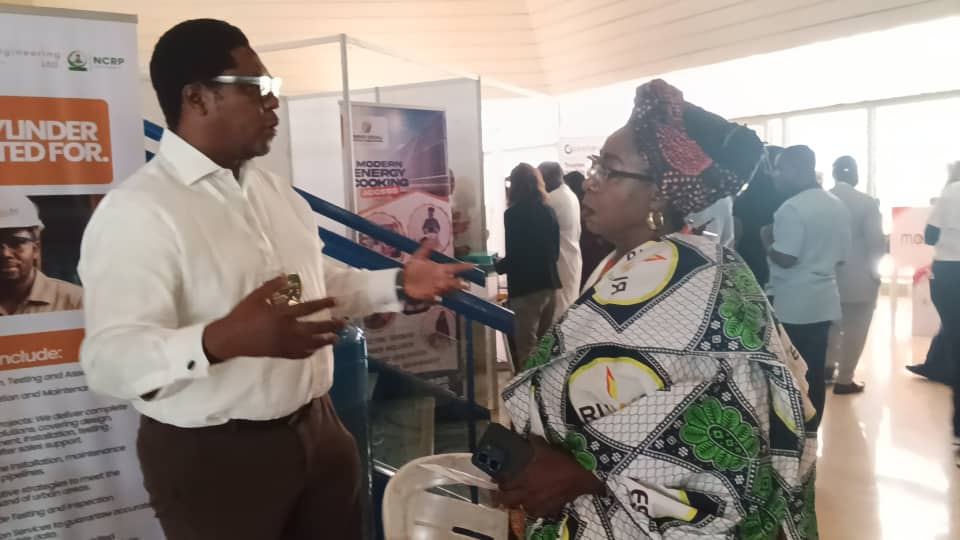
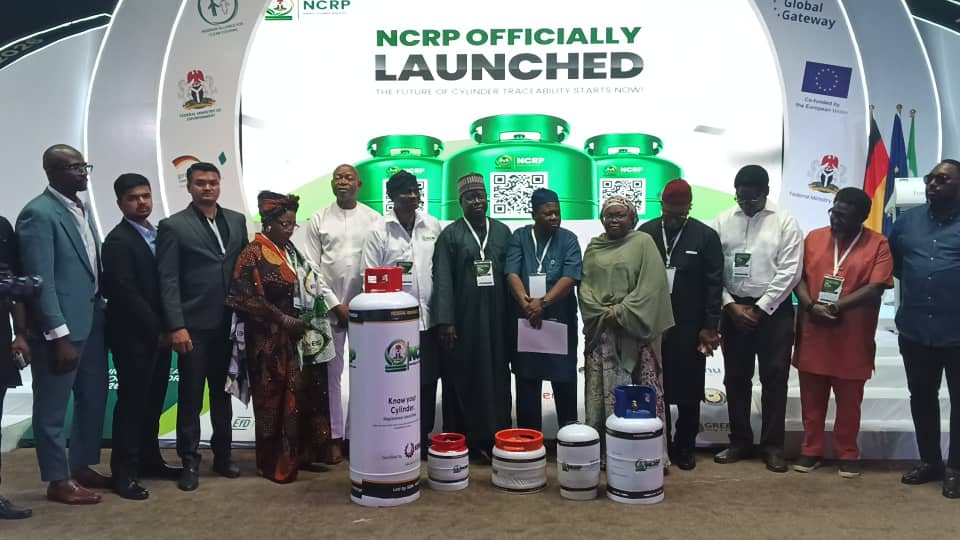
A major highlight was the launch of the National Cylinder Recycling Platform (NCRP), a national digital system for tracking and managing LPG cylinders. Each cylinder will have a unique digital identity that citizens, operators and regulators can check by QR code or WhatsApp chatbot. Cylinders will be requalified every five years and withdrawn from circulation after 15 years, a move aimed at protecting consumers and improving accountability across the LPG value chain.
A session on electric cooking examined why adoption remains low. Panellists pointed to limited awareness, including fears that appliances will quickly use up prepaid electricity units. They called for public sensitisation, affordable appliance financing, and greater use of mini-grids and solar systems where grid power is unreliable.
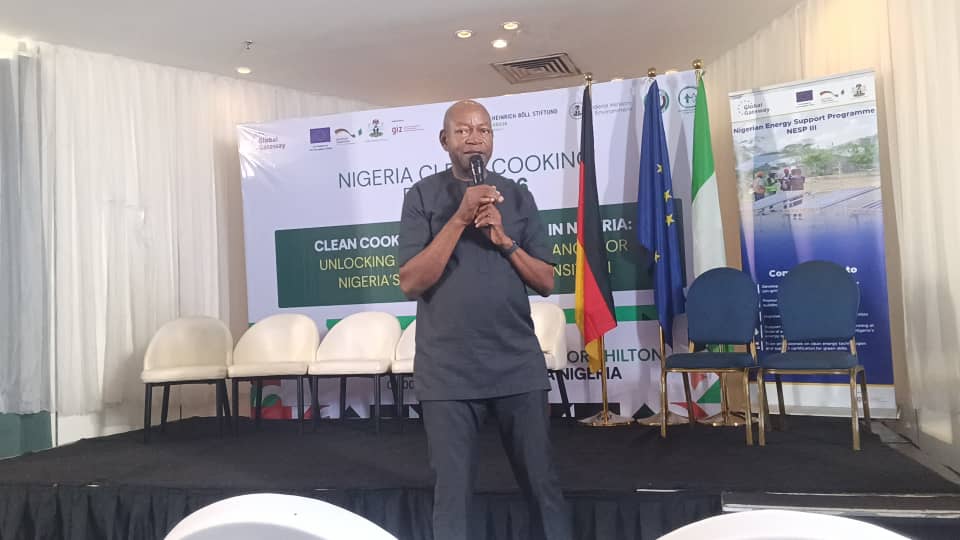
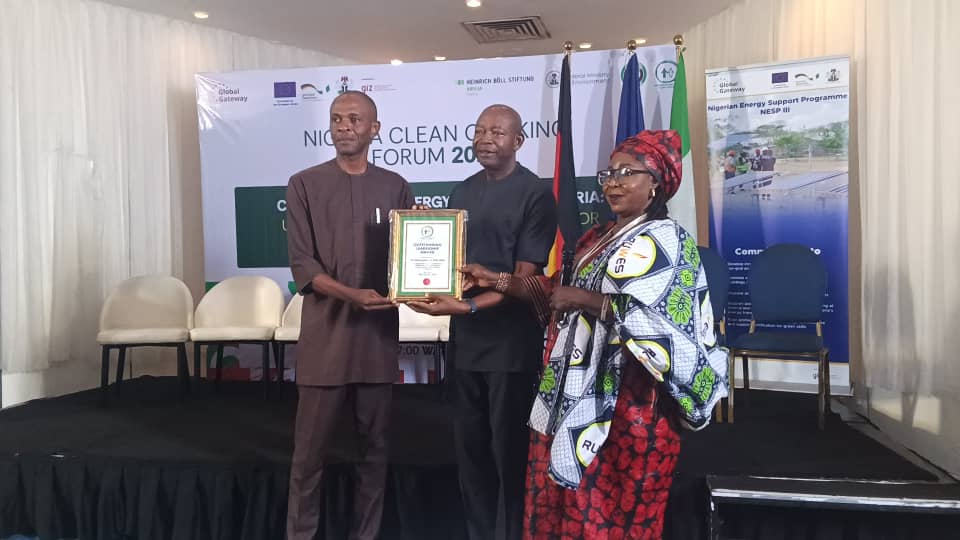
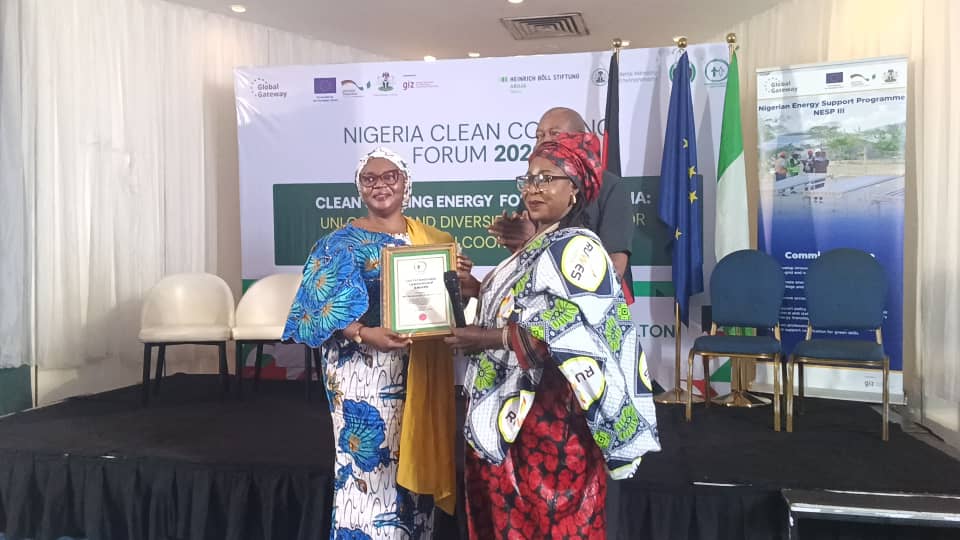
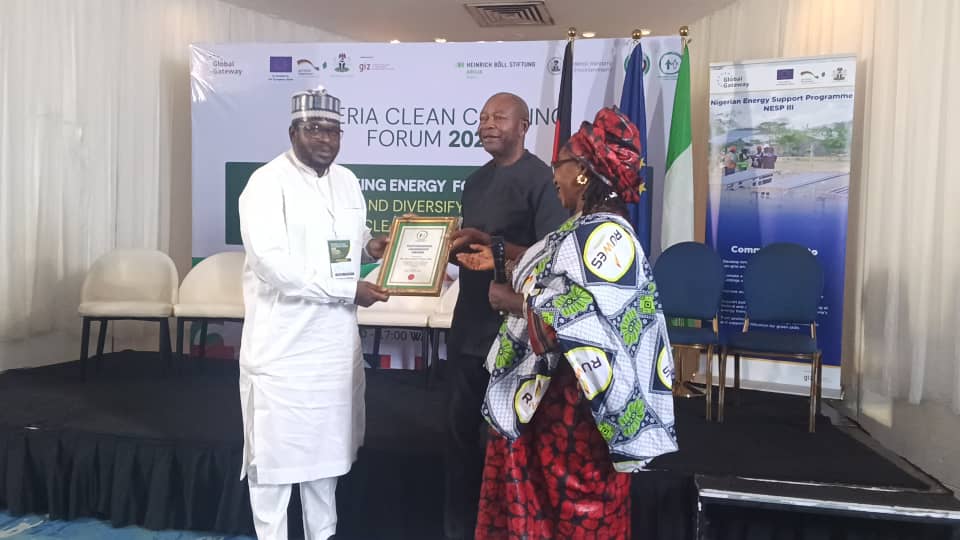
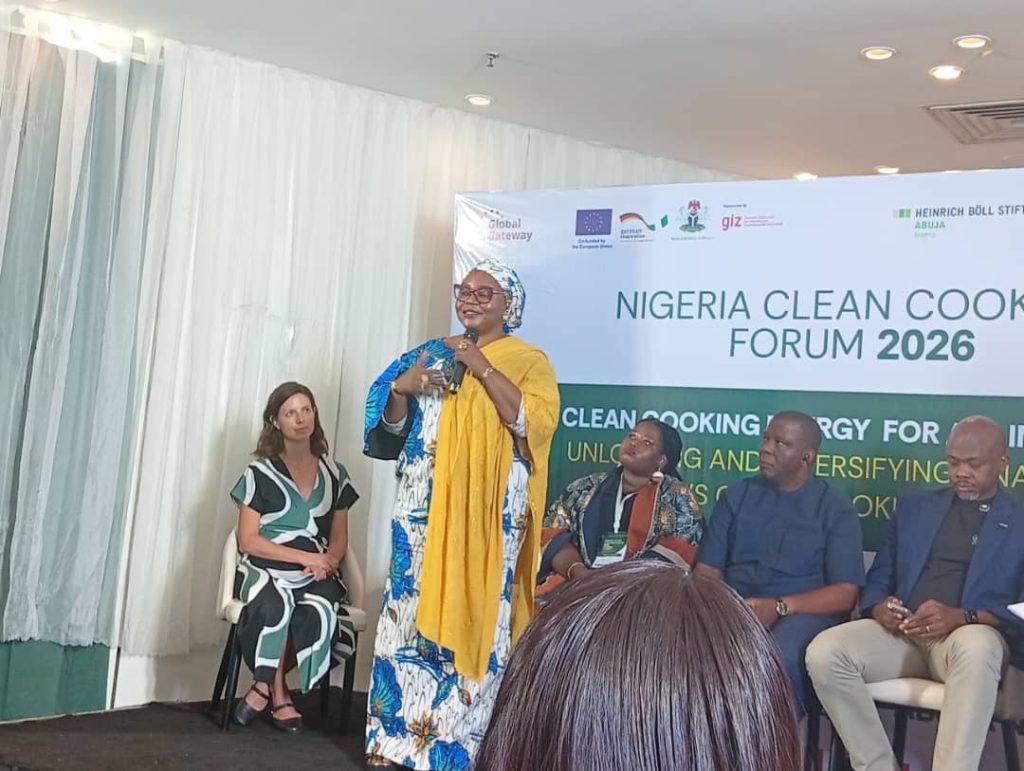
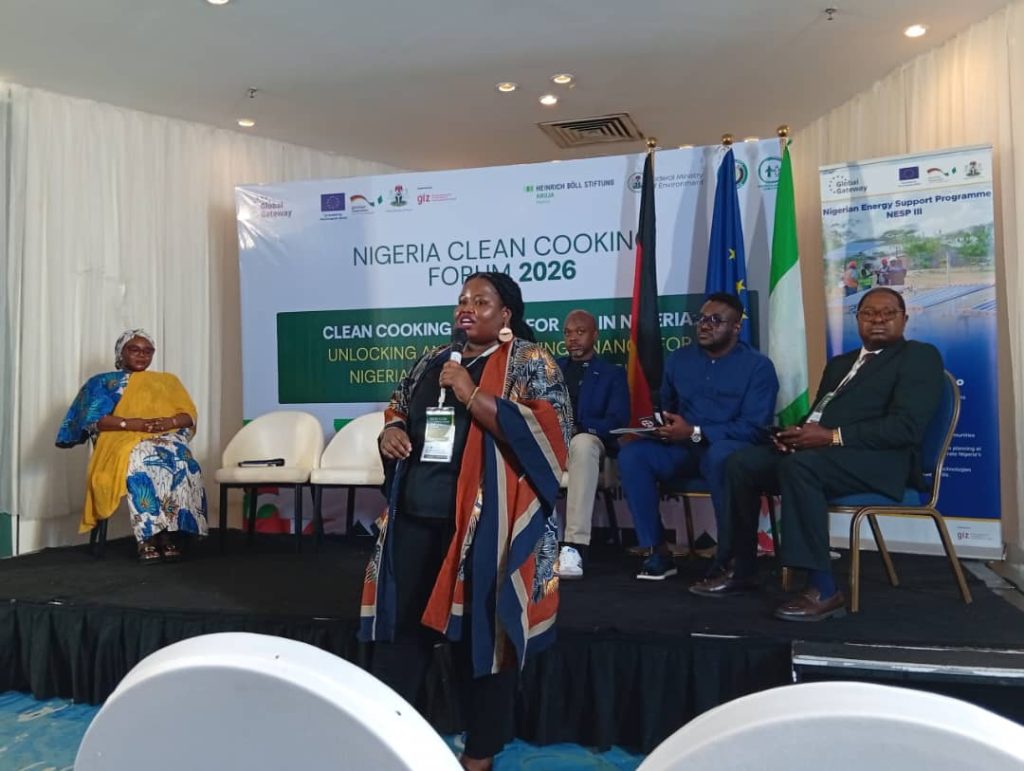
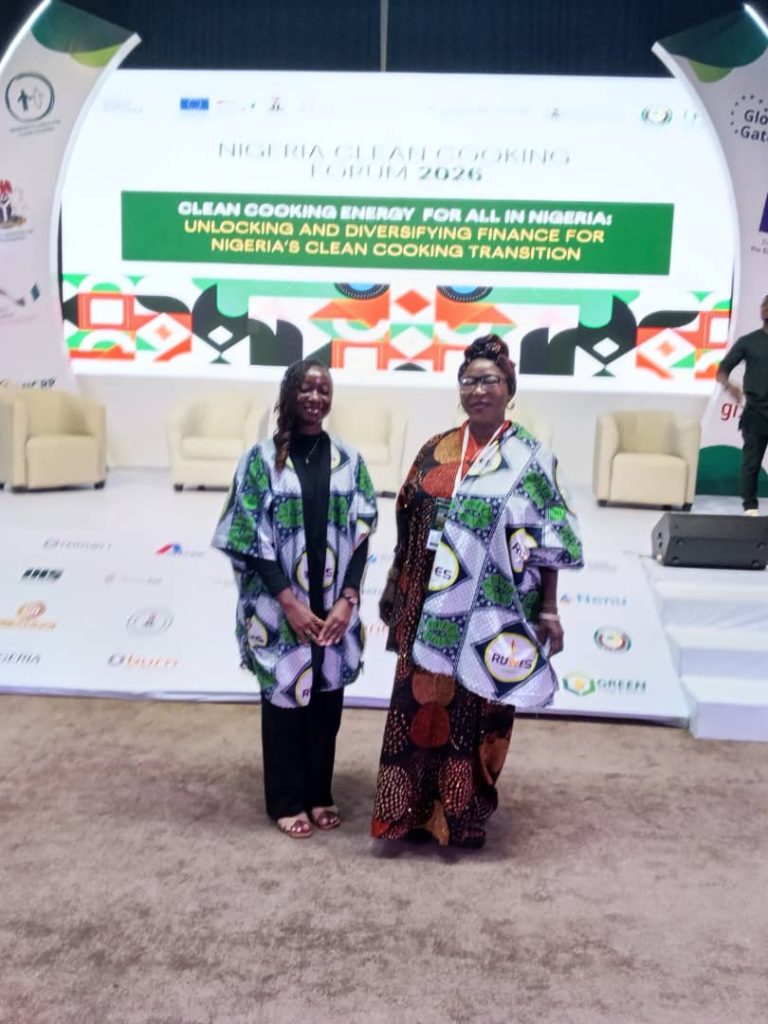
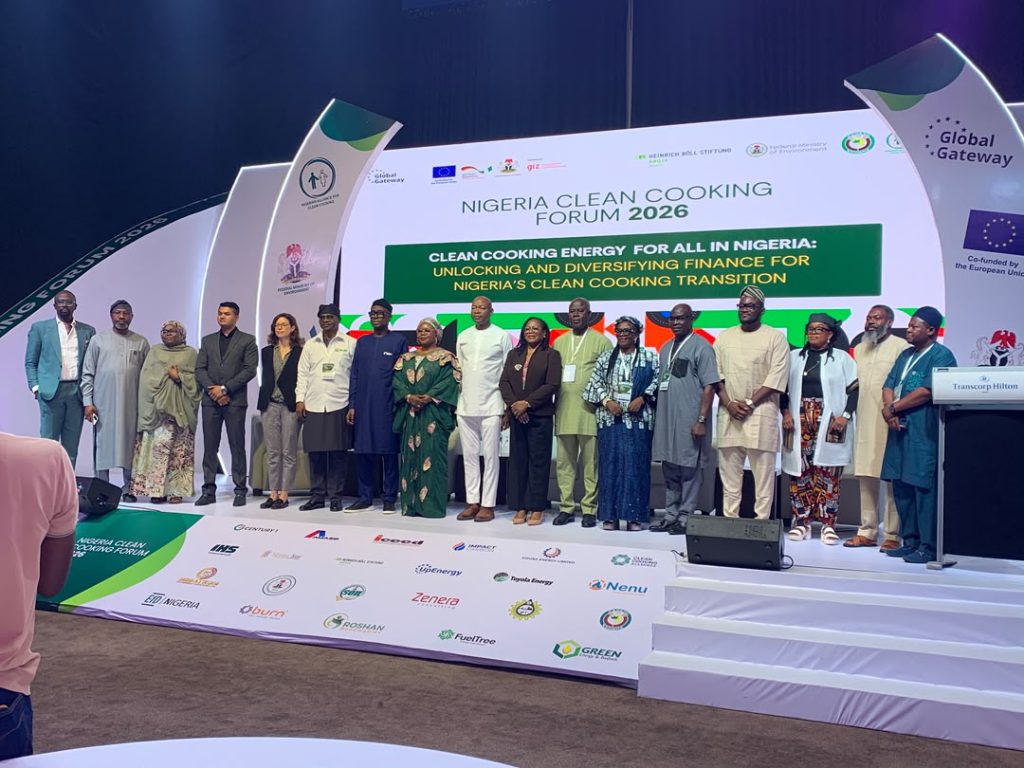
On Day 2, the forum recognised the governments of Nasarawa, Abia, Lagos, Benue, Kano and Ogun States for their leadership on clean cooking. RUWES’s Head of Secretariat, Mrs. Jumaima Ella, was invited to help present the awards. She was especially pleased to present the award to Nasarawa State, given RUWES’s partnership with the Nasarawa State Waste Management Board (NASWAMSA) on the training centre.
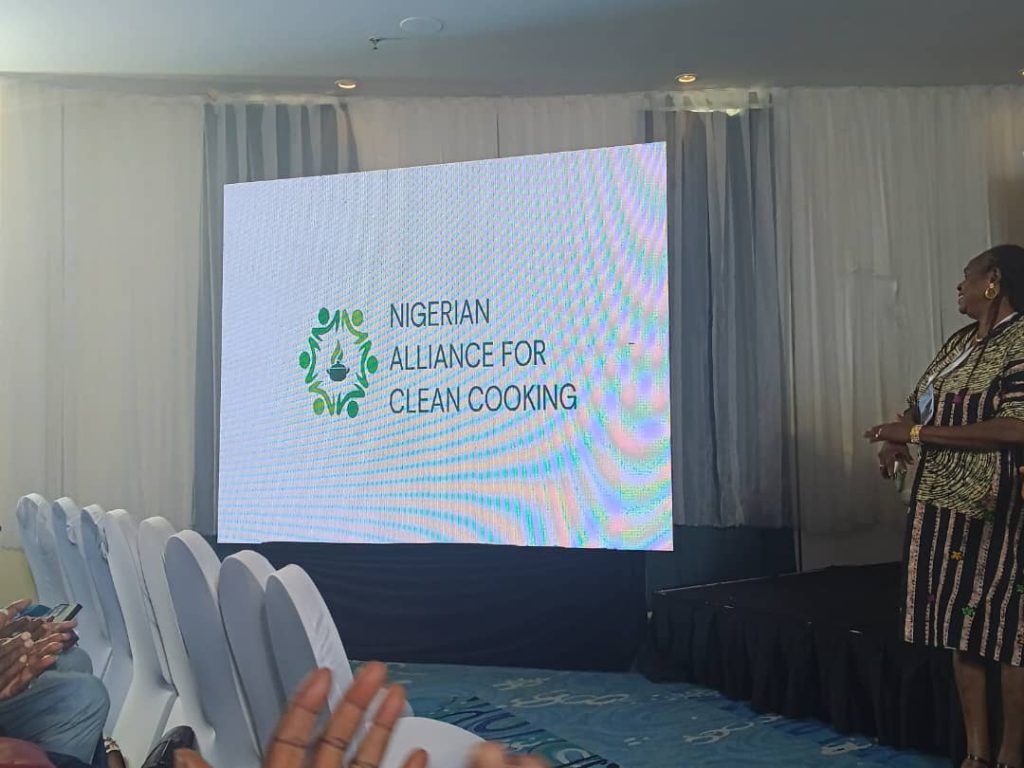
Sessions on standards and local manufacturing stressed the role of the Standards Organisation of Nigeria (SON) in testing and certification, and the need to tackle counterfeit and substandard products. Recommendations included expanding recognised testing centres beyond the University of Nigeria, Nsukka, strengthening import controls, and investing in modern testing equipment and trained personnel. Participants also called for more domestic investment and affordable finance for Nigerian clean cooking businesses. NACC closed its presentation by unveiling a new logo, marking its renewed commitment to universal access to clean cooking.
Across both days, one message stood out: rural and peri-urban women must be at the centre of clean cooking programmes. Technologies must be affordable, financing must reach women, and solutions must reflect the realities of the communities they serve. RUWES will continue working with government, partners and communities to advance clean, accessible energy that protects women’s health and strengthens livelihoods.