
RUWES at the Nigeria Clean Cooking Forum 2026: Two Days of Action on Financing Clean Cooking- 28–29 October 2026, Abuja
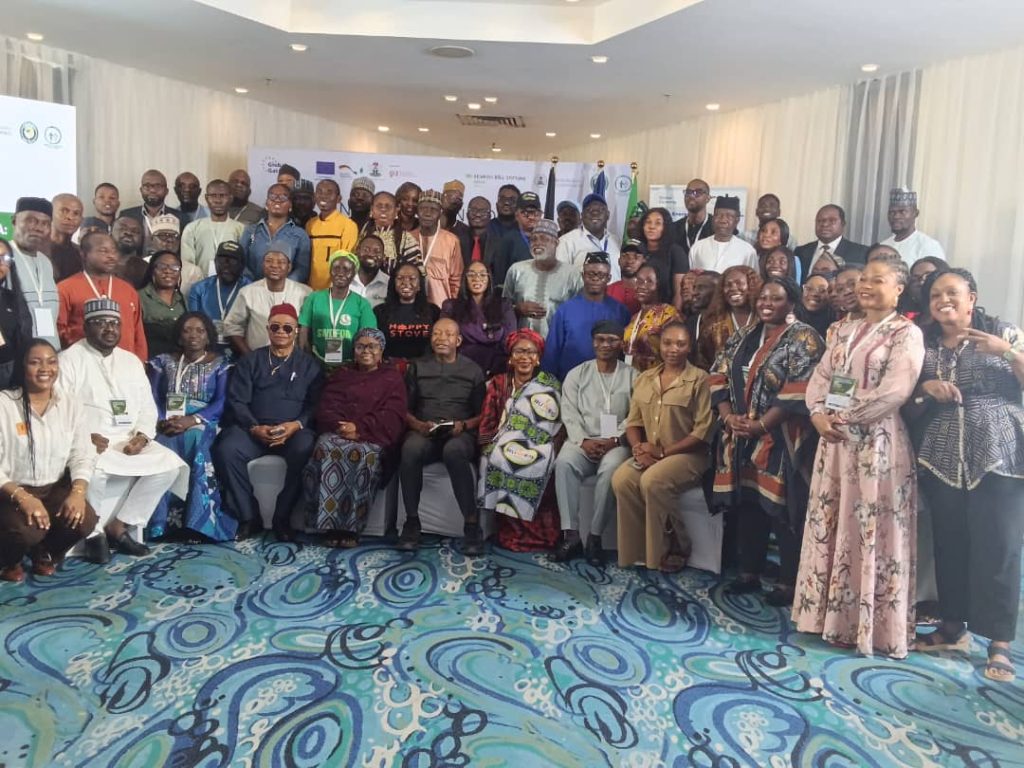
The Rural Women Energy Security Initiative (RUWES) took part in the two-day Nigeria Clean Cooking Forum 2026, held on 28 and 29 October at the Transcorp Hilton, Abuja. The forum was organised by the Nigerian Alliance for Clean Cooking (NACC) in collaboration with the Federal Ministry of Environment, the GIZ Nigeria Energy Support Programme (NESP) and other partners. Under the theme “Clean Cooking Energy for All in Nigeria: Unlocking and Diversifying Finance for Nigeria’s Clean Cooking Transition,” government, development partners, the private sector, financial institutions and civil society met to discuss how to speed up access to clean cooking across the country. Day 1 opened with a presentation on Nigeria’s carbon market by Mr. Chinonso Agbo, Senior Expert on Climate Policy and Carbon Markets, who spoke virtually. He highlighted the approval of the National Carbon Market Framework and Manual in 2025 and ongoing work on a national carbon registry. He said stronger regulation, local technical capacity, lower certification costs and better data are still needed before the market is fully operational. Once it is, it could become an important source of funding for clean cooking projects. Discussions on liquefied petroleum gas (LPG) focused on making it safer, more affordable and available beyond major cities. Innovations shared included composite plastic cylinders, a scheme that lets rural women exchange recyclable waste for gas, and a digital app that tracks gas levels and sends refill alerts. A major highlight was the launch of the National Cylinder Recycling Platform (NCRP), a national digital system for tracking and managing LPG cylinders. Each cylinder will have a unique digital identity that citizens, operators and regulators can check by QR code or WhatsApp chatbot. Cylinders will be requalified every five years and withdrawn from circulation after 15 years, a move aimed at protecting consumers and improving accountability across the LPG value chain. A session on electric cooking examined why adoption remains low. Panellists pointed to limited awareness, including fears that appliances will quickly use up prepaid electricity units. They called for public sensitisation, affordable appliance financing, and greater use of mini-grids and solar systems where grid power is unreliable. On Day 2, the forum recognised the governments of Nasarawa, Abia, Lagos, Benue, Kano and Ogun States for their leadership on clean cooking. RUWES’s Head of Secretariat, Mrs. Jumaima Ella, was invited to help present the awards. She was especially pleased to present the award to Nasarawa State, given RUWES’s partnership with the Nasarawa State Waste Management Board (NASWAMSA) on the training centre. Sessions on standards and local manufacturing stressed the role of the Standards Organisation of Nigeria (SON) in testing and certification, and the need to tackle counterfeit and substandard products. Recommendations included expanding recognised testing centres beyond the University of Nigeria, Nsukka, strengthening import controls, and investing in modern testing equipment and trained personnel. Participants also called for more domestic investment and affordable finance for Nigerian clean cooking businesses. NACC closed its presentation by unveiling a new logo, marking its renewed commitment to universal access to clean cooking. Across both days, one message stood out: rural and peri-urban women must be at the centre of clean cooking programmes. Technologies must be affordable, financing must reach women, and solutions must reflect the realities of the communities they serve. RUWES will continue working with government, partners and communities to advance clean, accessible energy that protects women’s health and strengthens livelihoods.
RUWES Participates in One-Day Multi-Stakeholders’ Design Workshop on Community-Based Financing Framework for Sustainable Development Infrastructure in Nigeria
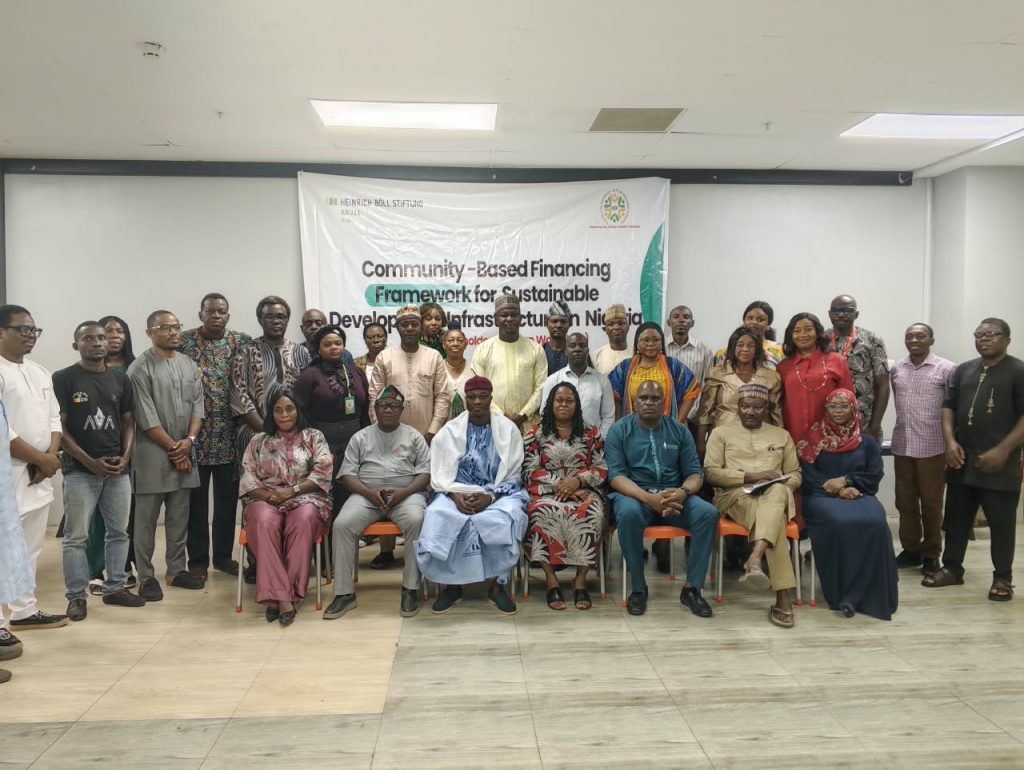
Rural Women Energy Security Initiative Nigeria (RUWES) participated in the one-day Multi-Stakeholders’ Design Workshop on the Community-Based Financing Framework for Sustainable Development Infrastructure in Nigeria, held on Tuesday, 17 November 2026, at Novare Central, Wuse Zone 5, Abuja. The workshop was organised by the Community Excellence and Development Initiative (CEDI) with Heinrich Böll Stiftung Abuja, and brought together government institutions, community organisations, civil society, development partners and other stakeholders. The Executive Director of CEDI, Osamede Precious Onuvae, delivered the welcome address. She welcomed participants to the workshop and acknowledged their presence and participation in the discussions. A keynote address was delivered by Ikenna Donald-Ofoegbu, Programme Manager of the Sustainable Nigeria Programme at Heinrich Böll Stiftung. Across Nigeria, communities have long funded and built public infrastructure through cooperatives, town unions, age-grade associations, savings schemes, levies, donations and diaspora support, delivering roads, schools, health centres, water facilities and electricity infrastructure. Yet these efforts are rarely recognised in national planning and financing, and communities often pay for infrastructure that is government’s responsibility, with no reimbursement or incentive. The framework is meant to close that gap by setting out clear institutional, policy and financing arrangements for communities and government to work together. The Lead Consultant, Unico-Iregbu Kalu Uduka, presented findings from a baseline assessment and case studies of community financing models in nine states. The research showed that communities already mobilise money, land, labour, materials and leadership for development, but that community institutions are not formally recognised, projects are poorly coordinated with government programmes, technical support and access to finance are limited, and accountability systems are weak. Participants stressed that the framework must build on existing community structures and must not shift government’s responsibilities onto communities. The Project Manager, Okechukwu Ugwu, led the discussions that followed. In four breakout groups, participants reviewed the proposed outline of the framework and made recommendations. They called for existing community institutions to be recognised and strengthened rather than replaced, and for deliberate representation of women, young people, persons with disabilities and other vulnerable groups, including financing and accountability arrangements for women-led initiatives. They proposed flexible access to finance through reimbursement, matching grants and performance grants, with cash and non-cash contributions such as land and labour both counted, and with poor, vulnerable and conflict-affected communities not shut out for lack of cash. Participants also recommended that incentives reward project quality and impact rather than the amount of money contributed, and that public funds be protected through dedicated community accounts with at least three signatories, regular reporting, open procurement and community oversight. Other recommendations were accessible complaint and grievance mechanisms, safeguards for vulnerable groups, and a phased pilot across the six geopolitical zones, starting with communities that already have functional structures and aligned with existing government programmes. The emphasis on women’s inclusion and on fair access to finance for communities with limited resources is in line with RUWES’s work to promote the energy security of rural women.
THE VOICES OF OVER 2MILLION RURAL WOMEN ARE AT COP31! 🌍 | RUWES LIVE IN ANTALYA, TÜRKİYE
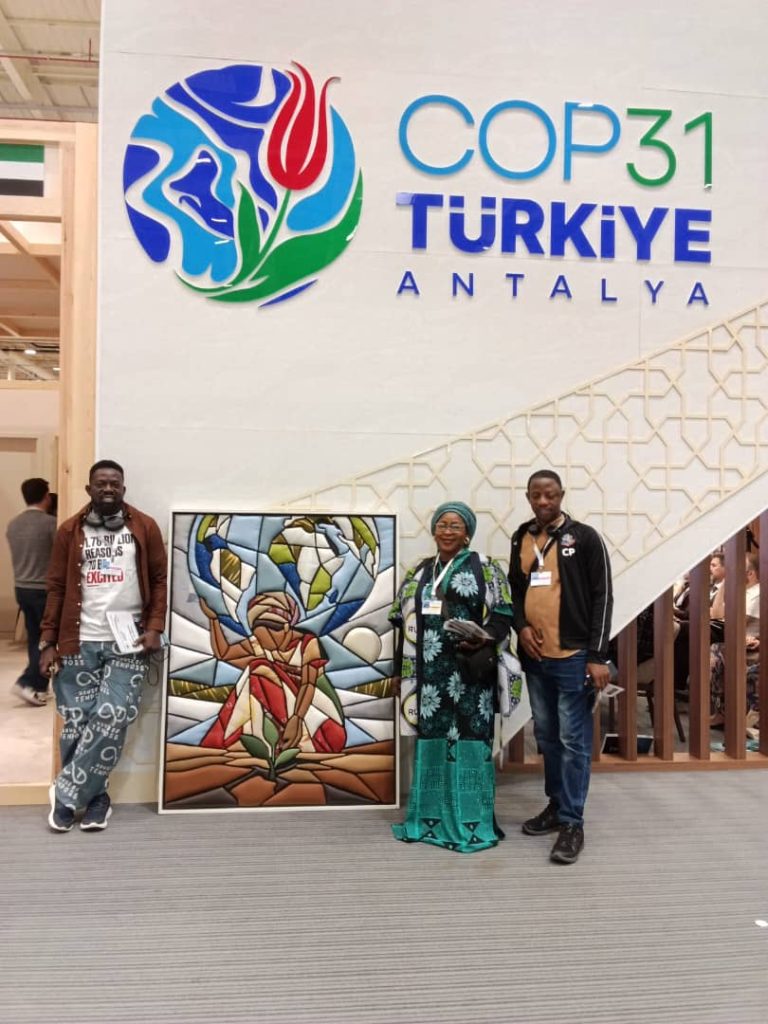
From communities across Nigeria to the global climate stage, Rural Women Energy Security (RUWES) Initiative is making its presence felt at COP31, currently taking place in Antalya, Türkiye. Representing RUWES is its Head of Secretariat, Mrs Jumaima Ella , joining government representatives, policymakers, climate advocates and international stakeholders at this important global gathering. Guided by the principles of Dialogue, Consensus and Action, COP31 adopts an implementation-focused approach aimed at translating global climate commitments into practical actions and Measurable Results. As an accredited observer organisation under the UNFCCC, RUWES is at COP31 with a clear purpose: to ensure that the realities, needs and contributions of rural and peri-urban women in Nigeria are recognised in global Climate Action. Our presence is particularly relevant to COP31’s priorities, including zero waste, Food Security, climate-resilient cities, Clean Energy Transition and Sustainable Development. For RUWES, these priorities are not just items on a Global Agenda. They are issues that directly affect the lives and livelihoods of the women and communities we serve across Nigeria. Through our work with a sisterhood of over 2million women, RUWES continues to advance access to clean and affordable energy, Clean Cooking Solutions, Climate Smart Agriculture, Environmental Protection, circular economy opportunities and women’s Economic Empowerment. During the conference, Mrs Jumaima Ella was captured alongside Nigeria’s Minister of Environment, Balarabe Abbas Lawal; the Permanent Secretary of the Federal Ministry of Environment, Dr. Salihu Aminu Usman; Engr ( Dr) Bahijjahtu Abubakar, FNSE, Retired Director of Pollution Control and Environmental Health, Federal Ministry Of Environment; as well as other International representatives and Stakeholders. These interactions and moments of representation underscore the importance of Collaboration, visibility and inclusive participation in Advancing Climate Action. OUR MESSAGE AT COP31: Just Transition must mean Access, affordability and jobs for rural women. Climate Action must reach beyond policy commitment and translate into practical opportunities, Affordable Technologies, Sustainable Livelihoods and improved living conditions for women and their communities. RUWES is here, representing the voices and aspirations of rural women and reaffirming that they must not be left behind in the global transition to a sustainable and climate-resilient future.
RUWES JOINS STAKEHOLDERS TO CELEBRATE WORLD OZONE DAY 2026
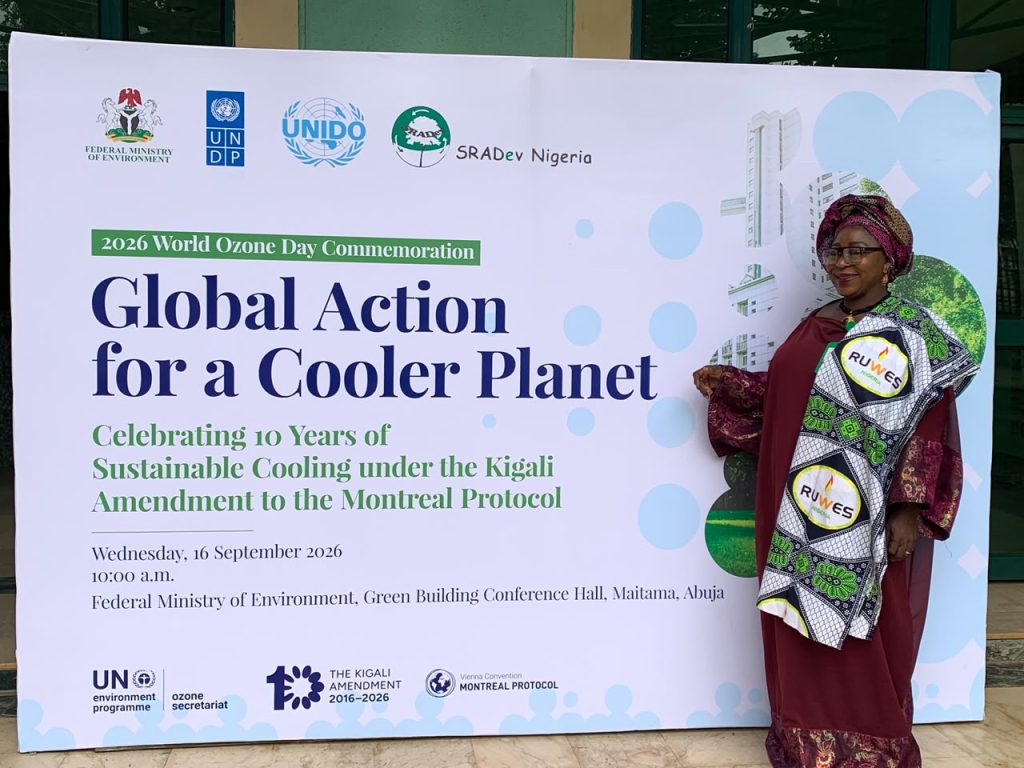
The Rural Women Energy Security (RUWES) Initiative Nigeria joined government institutions, development partners, private-sector representatives, civil society organisations and other environmental stakeholders to commemorate World Ozone Day 2026 on 16 September in Abuja. Held at the Green Building Conference Hall, Maitama, under the theme “Global Action for a Cooler Planet,” the celebration also marked 10 years of sustainable cooling under the Kigali Amendment to the Montreal Protocol, highlighting the importance of protecting the ozone layer and advancing environmentally sustainable cooling solutions. The event featured goodwill messages from key stakeholders, environmental awareness presentations, a spoken-word performance by students of Army Day Secondary School, Asokoro, and a quiz competition that encouraged young people to deepen their understanding of ozone protection and environmental sustainability. RUWES’ participation reflects its commitment to promoting environmental protection, climate action and women’s leadership in sustainable development. Through its initiatives in clean cooking, biomass production, waste management, circular economy and climate-smart agriculture, the organisation continues to support practical solutions that improve livelihoods and strengthen environmental resilience in rural and peri-urban communities. RUWES’ involvement in the celebration builds on its achievement at the 2025 World Ozone Day commemoration, where the organisation received the Green Cooling Women Initiative Award in recognition of its contribution to advancing women’s participation in sustainable cooling and environmental action. As global attention continues to focus on climate change and environmental sustainability, RUWES remains committed to ensuring that rural and peri-urban women are recognised as active participants and leaders in developing community-driven solutions for a cleaner, healthier and more sustainable planet.
RUWES JOINS FEDERAL MINISTRY OF ENVIRONMENT TO MARK 2026 GLOBAL HANDWASHING DAY.
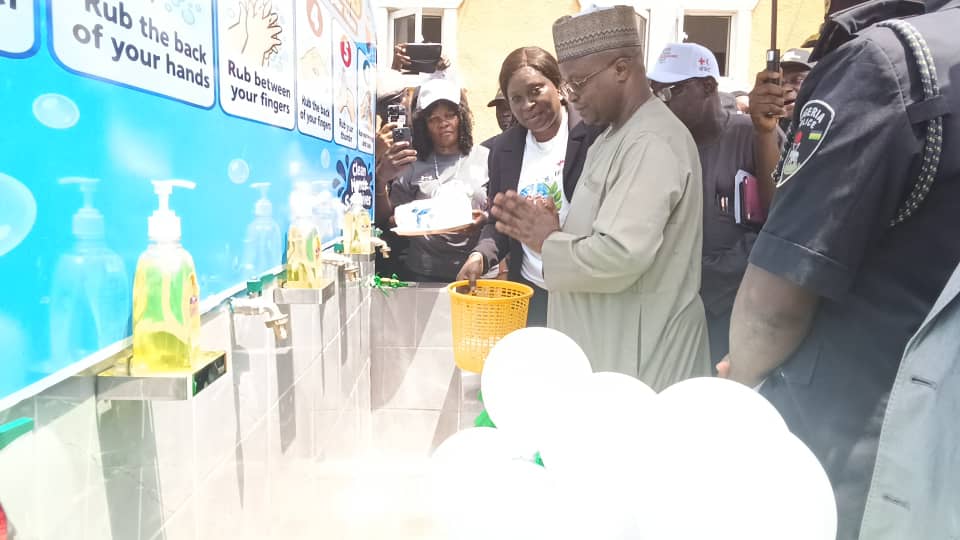
19 October 2026. The Rural Women Energy Security Initiative Nigeria (RUWES) took part in the 2026 Global Handwashing Day celebration, organised by the Federal Ministry of Environment at Police Day Secondary School, Area 11, Abuja. Held under the theme “BE A HANDWASHING HERO,” the event brought together government agencies, partners including IFRC and Nestlé Pure Life, professional bodies, teachers and students. Speaking for RUWES, Head of the Secretariat Mrs. Jumaima Ella described the organisation as a women-led initiative working to enlighten and empower over 2 million women across Nigeria. She stressed that handwashing is especially important at the rural level, where disease spreads quickly and hygiene practice is very minimal. She called for the message to go beyond the day and be carried into rural communities in the coming year. The programme featured a live handwashing demonstration, a spoken-word performance, a student debate on soap versus sanitizer, a health talk by FEMWASH, and a palm-print pledge by students. A handwashing facility was also provided for the host school. The keynote address was delivered by Dr. Salihu Aminu Usman on behalf of the Honourable Minister of Environment, who was unavoidably absent and sent warm greetings. He said heroism is measured by the lives protected through everyday choices, and that handwashing is one of the simplest and most affordable ways to prevent cholera, typhoid, diphtheria, Lassa fever and other infectious diseases. He stressed that awareness must be matched by access, with handwashing facilities that are available, functional and well maintained in homes, schools, workplaces and health facilities, including low-cost options such as tippy taps. He urged students to use school clubs and social media to spread the habit, and called on all tiers of government, the private sector, civil society and community leaders to work together.
RUWES PARTICIPATES IN THE NATIONAL PLASTIC SUMMIT 2026
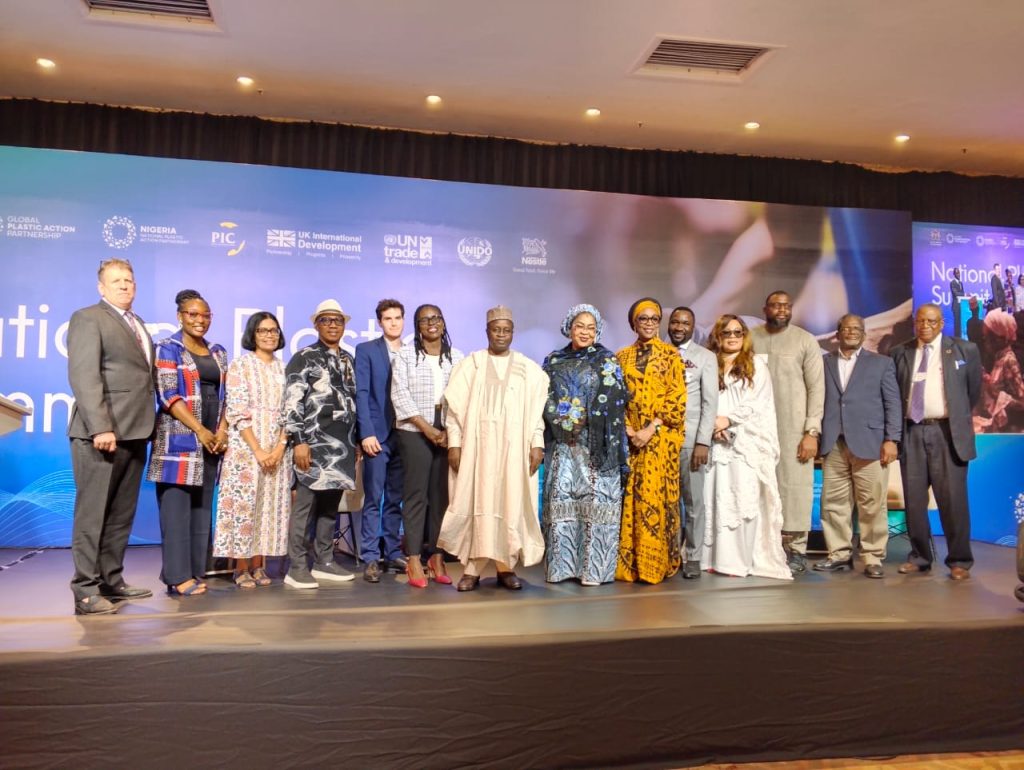
The Rural Women Energy Security (RUWES) Initiative participated in the National Plastic Summit 2026, held on 4 June 2026 at the Abuja Continental Hotel, Abuja, under the theme “Innovation, Inclusion & Investment for a Circular Plastics Economy in Nigeria.” The summit brought together key stakeholders from government, development partners, the private sector, financial institutions, academia, and civil society to explore practical solutions for addressing plastic pollution and accelerating Nigeria’s transition to a circular plastics economy. Throughout the summit, discussions focused on strengthening **Extended Producer Responsibility (EPR), promoting innovation and investment, harmonizing policies, expanding recycling infrastructure, and fostering inclusive participation—particularly for women, youth, and informal waste workers—in building a sustainable circular economy. RUWES’ participation reaffirmed the organization’s commitment to advancing inclusive environmental sustainability through its Plastic Waste-to-Wealth Initiative, which empowers women and rural communities by transforming plastic waste into economic opportunities. The summit also provided a valuable platform for strengthening partnerships, sharing knowledge, and contributing to national efforts aimed at reducing plastic pollution while promoting green jobs, resource efficiency, and sustainable development.
COURTESY VISIT TO THE DIRECTOR-GENERAL, NASARAWA STATE WASTE MANAGEMENT AND SANITATION AUTHORITY (NASWAMSA)
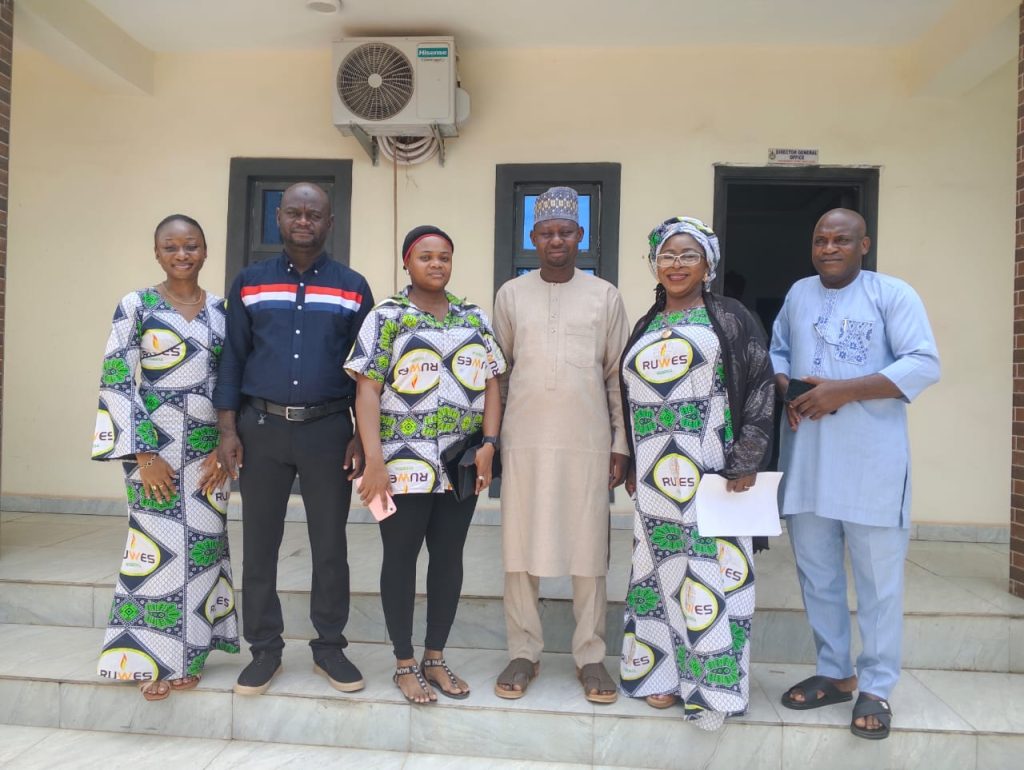
The Rural Women Energy Security Initiative (RUWES), led by the Head of Secretariat, Mrs. Jumaima Ella, paid a courtesy visit to the Director-General of the Nasarawa State Waste Management and Sanitation Authority (NASWAMSA), Hon. Mohammed Bello Isah, to strengthen collaboration on advancing women’s empowerment through sustainable waste management, renewable energy, and circular economy initiatives in Nasarawa State. The engagement provided an opportunity for both organizations to exchange ideas on promoting innovative Waste-to-Wealth solutions that empower rural women with practical skills in plastic waste recycling, biogas production, briquette making, and other green livelihood opportunities. Discussions also highlighted the importance of strategic partnerships in expanding access to sustainable livelihoods, environmental stewardship, and economic opportunities for women and vulnerable communities. RUWES reaffirmed its commitment to working with government institutions, development partners, and other stakeholders to advance inclusive programmes that transform waste into economic value while contributing to environmental sustainability and climate resilience. The organization also emphasized the importance of collaboration in creating opportunities that enable women to become active contributors to Nigeria’s growing green economy. Speaking during the visit, Hon. Mohammed Bello Isah commended RUWES for its dedication to women’s empowerment and environmental sustainability, noting the significant role such initiatives play in improving livelihoods, promoting responsible waste management, and supporting community development across the State. The visit further reinforced the shared commitment of RUWES and NASWAMSA to fostering impactful partnerships that drive innovation, strengthen environmental governance, and expand opportunities for rural women through sustainable development initiatives.
RUWES AT THE INCEPTION MEETING ON INTEGRATING E-COOKING INTO NIGERIA’S CLEAN COOKING POLICY
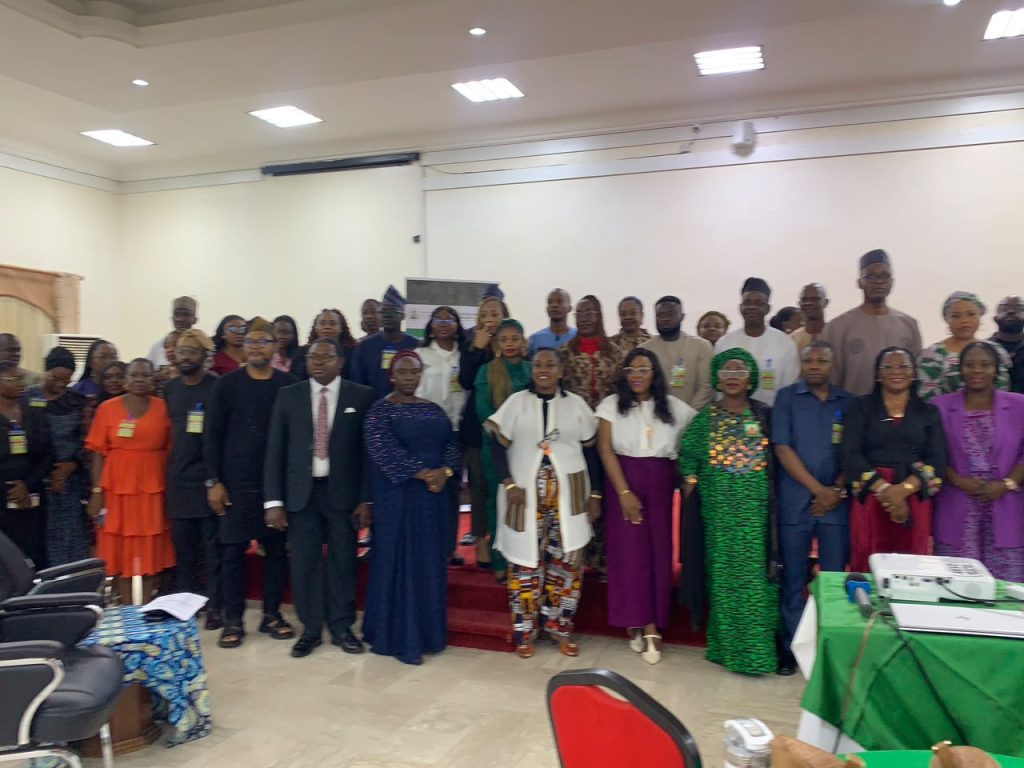
On 2nd July 2026, the Rural Women Energy Security (RUWES) Initiative participated in the Inception Meeting and Stakeholder Workshop on “Integrating e-Cooking in Nigeria’s Clean Cooking Policy Implementation Plan and Funding Proposals for Implementing e-Cooking.”The workshop, convened by the African Group of Negotiators Experts Support (AGNES) in collaboration with the Federal Ministry of Environment – Department of Climate Change, The Presidency – National Council on Climate Change (NCCC), the Federal Ministry of Power, with support from the Climate & Clean Air Coalition (CCAC) – UN Environment Programme (UNEP). The workshop sought to strengthen Nigeria’s clean cooking policy implementation, identify financing pathways, and accelerate the integration of e-Cooking solutions across the country. As part of the programme, Ms Jumaima Ella, Head of Secretariat of RUWES Initiative delivered a Goodwill Message emphasizing that clean cooking initiatives must move beyond policy discussions to practical implementation that places rural women at the centre of decision-making. She called for affordable, reliable, and accessible e-Cooking solutions, while advocating for greater investment in empowering rural women as leaders, entrepreneurs, and champions of the clean energy transition. A major milestone of the workshop was the inauguration of the Project Steering Committee, where RUWES was inaugurated as a member of the Committee, reinforcing its strategic role in supporting the implementation of Nigeria’s e-Cooking agenda in the rural and peri-urban areas. During the breakout session, RUWES contributed to discussions by stressing that the successful adoption of e-Cooking depends on three critical factors:– making e-Cooking technologies affordable for rural households– strengthening electricity access and the supporting infrastructure needed for reliable energy supply– providing continuous training and capacity-building for women to enable them to adopt, maintain, and promote clean cooking technologies within their communities. RUWES remains committed to ensuring that rural women are not only beneficiaries but active drivers of Nigeria’s clean cooking transition, promoting healthier communities, environmental sustainability, and inclusive Energy Access.
RUWES Represented at the International Day of Women in Industry 2026
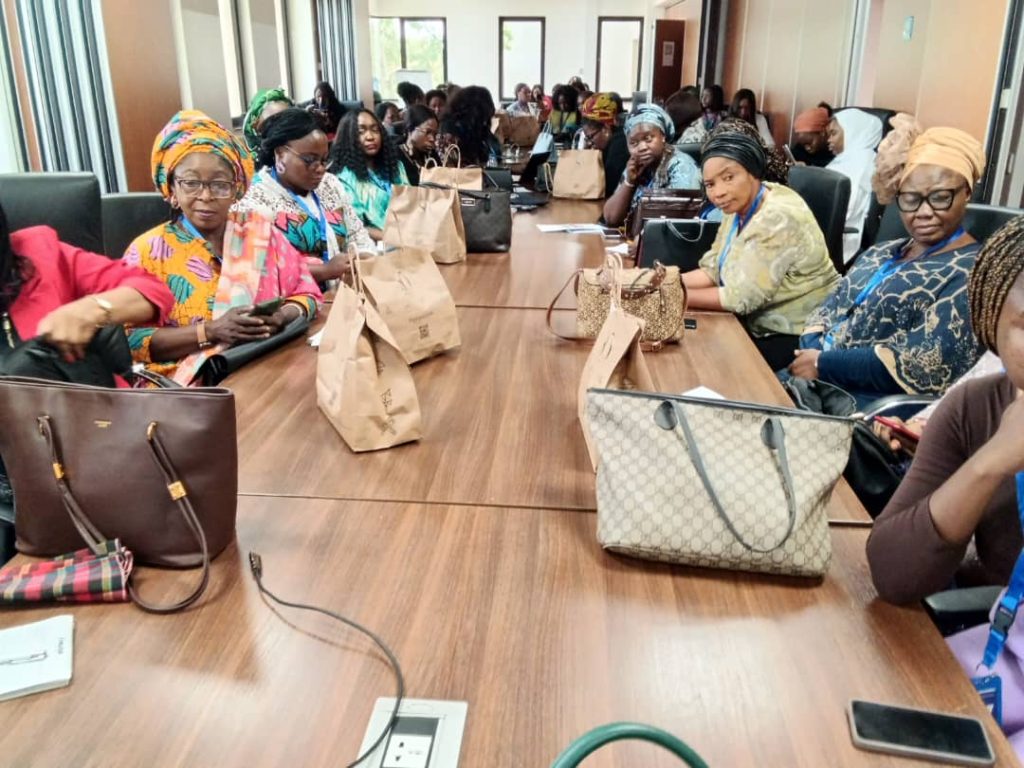
Rural Women Energy Security (RUWES) was represented by *Mrs. Jumaima Ella, Head of Secretariat, at the International Day of Women in Industry (IDWI) 2026, held at the UN House, Abuja, under the theme *”Women Shaping the Future of Industry.” The event, which marked the first official commemoration of the International Day of Women in Industry in Nigeria, brought together representatives from government, development partners, the private sector, academia, and civil society to celebrate the contributions of women to industrial development while promoting greater participation, leadership, and innovation across industrial sectors. The programme featured goodwill messages from key stakeholders, a keynote address by Engr. Dr. Bahijjahtu Abubakar, Director of Pollution Control and Environmental Health, Federal Ministry of Environment, as well as a panel session where accomplished women leaders shared their experiences in shaping Nigeria’s industrial landscape through innovation, entrepreneurship, engineering, environmental sustainability, and the circular economy. Representing RUWES, Mrs. Jumaima Ella reaffirmed the organization’s commitment to advancing women’s empowerment through clean energy, clean cooking solutions, waste-to-wealth initiatives, circular economy practices, and green entrepreneurship. She noted that empowering women, particularly those in rural communities, remains essential to building an inclusive, sustainable, and resilient industrial future. RUWES remains committed to strengthening partnerships and supporting initiatives that expand opportunities for women and girls to participate, lead, and thrive in industries that drive sustainable development and environmental stewardship across Nigeria.
RUWES AT THE NIGERIA CIRCULAR ECONOMY WEEK 2026. 16TH – 19TH FEBRUARY 2026. LAGOS
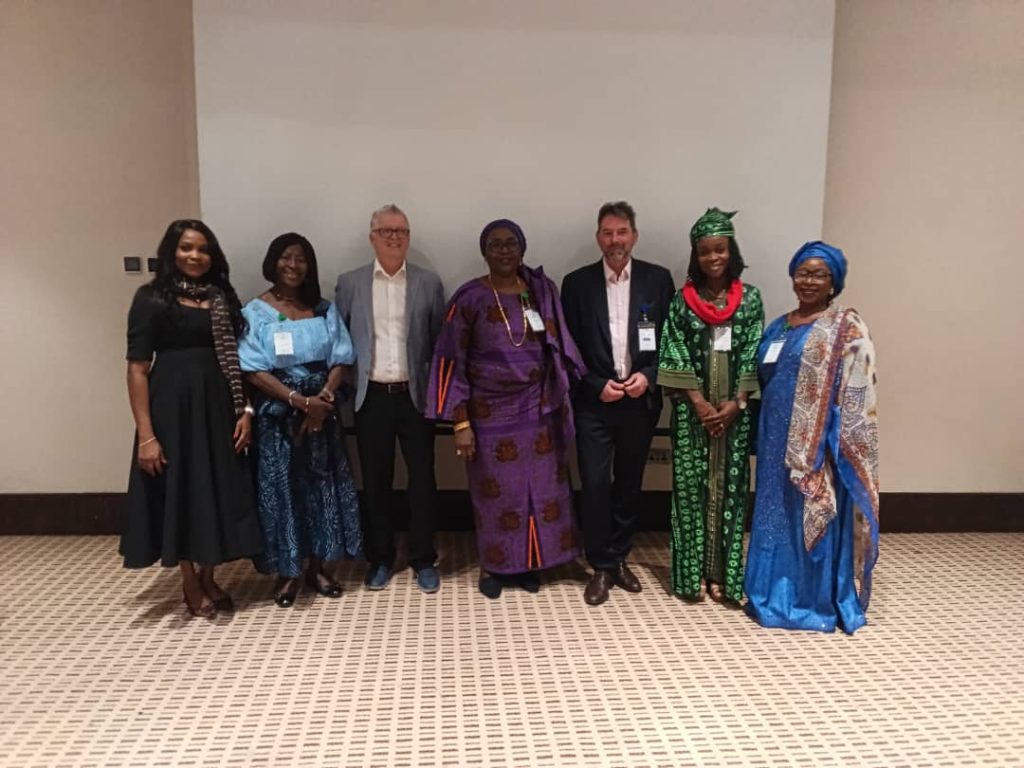
Mrs. Jumaima Ella, Head of Secretariat, Rural Women Energy Security Initiative [RUWES] Nigeria, represented RUWES at the Nigeria Circular Economy Week 2026 held from 16th to 19th February 2026 in Abuja. As an Uptake Partner for FREEE Recycle, Mrs. Ella attended the workshop titled “Kick Starting Nigeria’s First Aerosol Can Recycling Initiative” on 17th and 18th February 2026. During the workshop she presented on 17th February and met with key stakeholders including Ms. Ifedolapo Runsewe, CEO of FREEE Recycle Ltd., Mike MacKay, Managing Director of DESPRAY Environmental, and Freek Van Eijk, CEO of Holland Circular Hotspot. Discussions focused on RUWES’ inclusion in the collection value chain for waste aerosol cans and RUWES’ role as distributor of recovered LPG gas from aerosol cans through its partnership with FREEE Recycle. RUWES proposed a model that integrates rural women into the aerosol can collection value chain by establishing women-led collection hubs, training women as aggregation agents, providing safety training, and creating incentive-based, micro-franchise systems that link waste recovery to clean energy distribution. In the networking session, CASA MicroFinance Bank Lagos, GreenHub Africa, and the Association of Women in Trade and Agriculture [AWITA] indicated interest to collaborate with RUWES. RUWES is leveraging its over two million women membership base to ensure rural women are central to Nigeria’s circular economy and clean energy transition.