
RUWES Participates in the Nigeria Clean Cooking Forum 2025
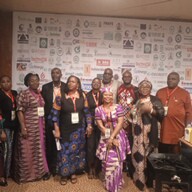
The Rural Women Energy Security (RUWES) Initiative participated in the Nigeria Clean Cooking Forum 2025, held from 9th–10th October 2025 at the Transcorp Hilton Hotel, Abuja. RUWES was represented by the Head of Secretariat, Mrs. Jumaima Ella, alongside other team members. Mrs. Ella also served as a panelist, where she highlighted RUWES’s work on biogas production, waste-to-energy systems, and climate-smart agriculture as practical solutions for clean cooking and sustainable rural livelihoods. Through its engagement, RUWES reaffirmed its commitment to empowering rural women, expanding access to clean cooking technologies, and supporting Nigeria’s transition to safer, healthier, and climate-resilient communities.
RUWES Participates in the 5th National Committee on Chemicals Management (NCCM) Meeting
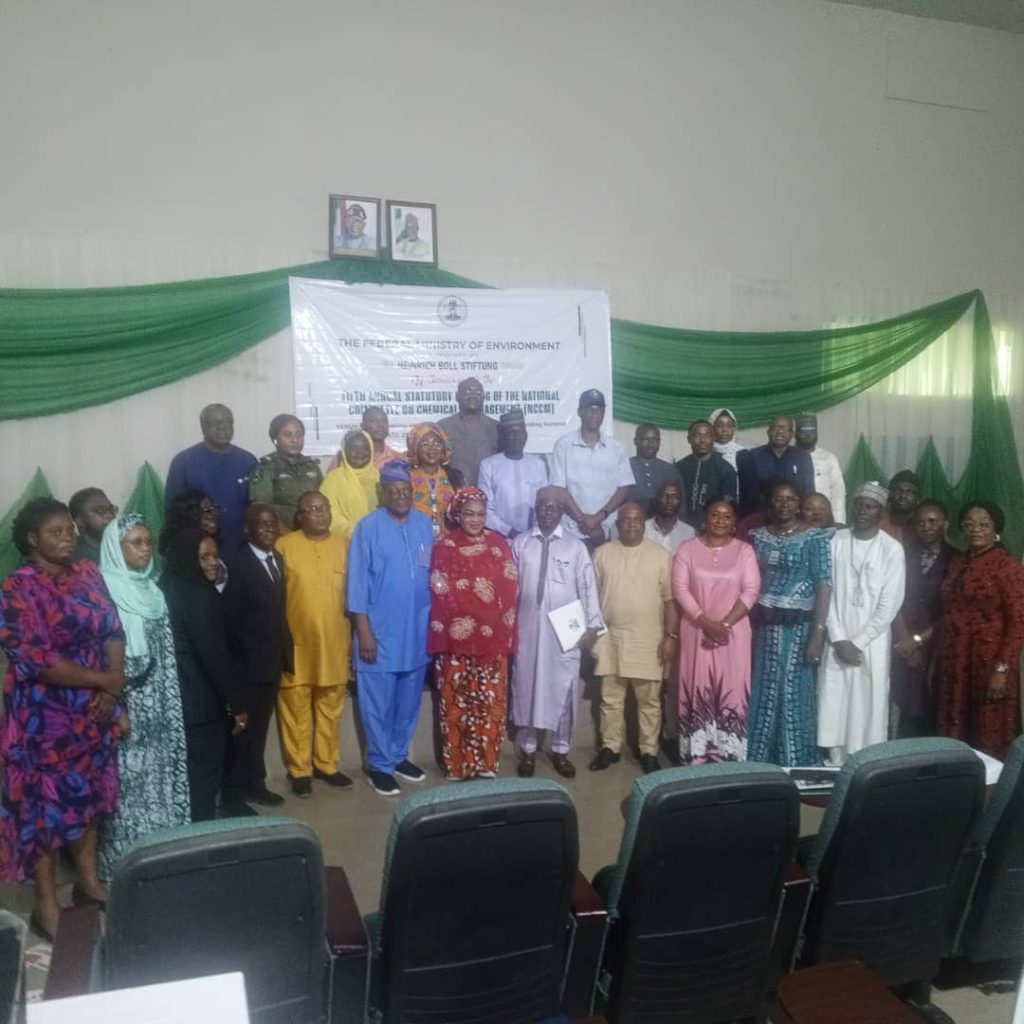
22–23 October 2025 | Abuja The Rural Women Energy Security (RUWES) Initiative participated in the Fifth Meeting of the National Committee on Chemicals Management (NCCM) organized by the Federal Ministry of Environment in collaboration with Heinrich Böll Stiftung. The two-day meeting reviewed Nigeria’s progress on chemicals management and prepared stakeholders for the upcoming 2025 Basel, Rotterdam, and Stockholm (BRS) COPs. Day 1 Summary Day 1 featured the inauguration of the Technical Coordinating Committee (TCC) by the Permanent Secretary of the Federal Ministry of Environment, followed by goodwill messages and review of previous meeting outcomes.Stakeholders presented updates on chemicals management activities for 2024/2025, focusing on improving coordination, strengthening monitoring systems, and enhancing public awareness on hazardous chemicals. NAFDAC also led a session on chemical safety and the roles of critical stakeholders. Day 2 Summary Day 2 focused on technical reviews, including: RUWES Contribution RUWES reaffirmed its commitment to safer chemicals management, rural awareness creation, and the promotion of sustainable alternatives such as organic fertilizer from biogas technology—helping reduce chemical exposure for rural women and farmers.
RUWES Marks World Toilet Day 2025 with Key Contributions to Smart Sanitation Solutions
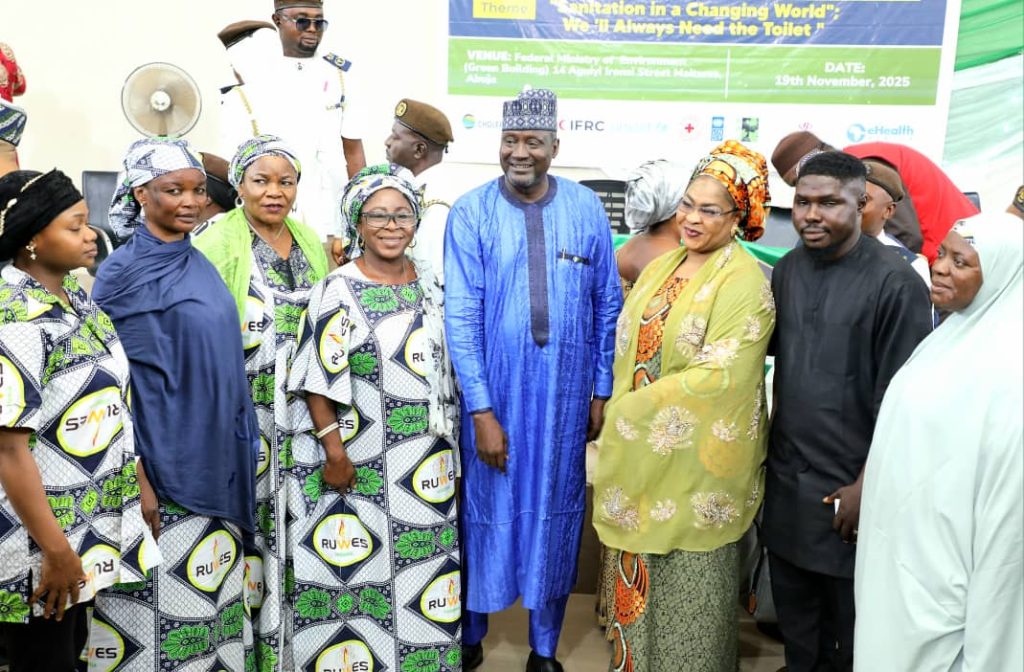
As part of the 2025 World Toilet Day commemoration, RUWES actively participated in a series of national events aimed at promoting safe, clean, and sustainable sanitation in Nigeria. On 19th November 2025, a Ministerial Press Briefing was held to highlight progress, challenges, and new directions in Nigeria’s sanitation agenda. Subsequently, on 25th November 2025, RUWES joined stakeholders at the official World Toilet Day event. RUWES was represented by the Head of Secretariat (HOS) alongside the RUWES team. During the event, Engr. Dr. (Mrs.) Bahijjahtu Abubakar, FNSE, Director of Pollution Control & Environmental Health (PC&EH) of the Federal Ministry of Environment, provided strong technical leadership on environmental health and smart sanitation initiatives. The Permanent Secretary of the Federal Ministry of Environment also offered strategic oversight and represented the Honourable Minister to officially commission the Smart Toilet facility. RUWES remains committed to promoting innovative, health-focused, and environmentally sound sanitation solutions that improve the lives of women, households, and rural communities nationwide.
National Policy Dialogue on Increasing Renewable Energy Investments for Empowerment of Women in Sustainable Agriculture and Lithium Mining in West Africa
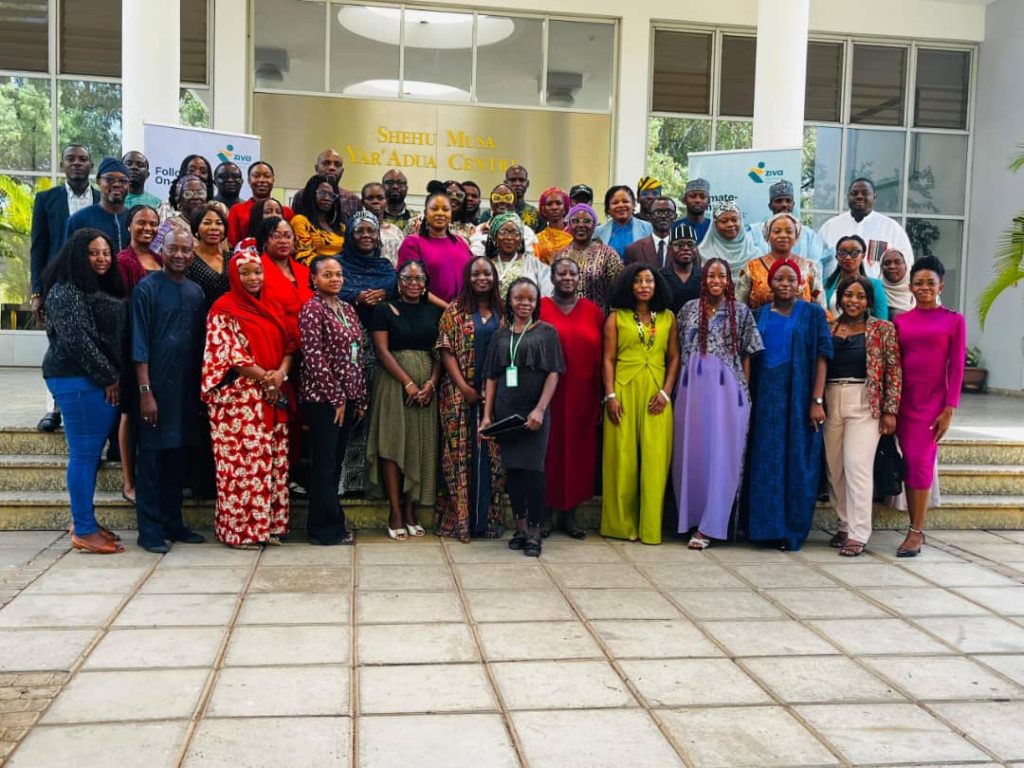
RUWES joined key stakeholders at the National Policy Dialogue themed “Advancing Gender-Sensitive Renewable Energy: Expanding Women’s Participation, Adoption, and Leadership across the Energy Value Chain in Nigeria”, held on 11th November 2025. The dialogue convened policymakers, development partners, private sector actors, and women-led organizations to chart pathways for inclusive renewable energy investments that empower women in Sustainable Agriculture and lithium mining across West Africa. Our Head of Secretariat, Mrs. Jumaima Ella, participated as a panelist in the session on “Strengthening Policy Frameworks and Investments to Drive Gender-Sensitive Renewable Energy Transition.” She emphasized the need for gender-responsive financing, capacity building, and policy integration to ensure that women—especially in rural and mining communities benefit fully from the clean energy transition. RUWES reaffirmed its commitment to advancing women’s economic empowerment through sustainable Energy Access, innovation, and enterprise support.
Launch of the Environment Club of Nigeria (TECN) and the Environment Society of Nigeria (TESN)
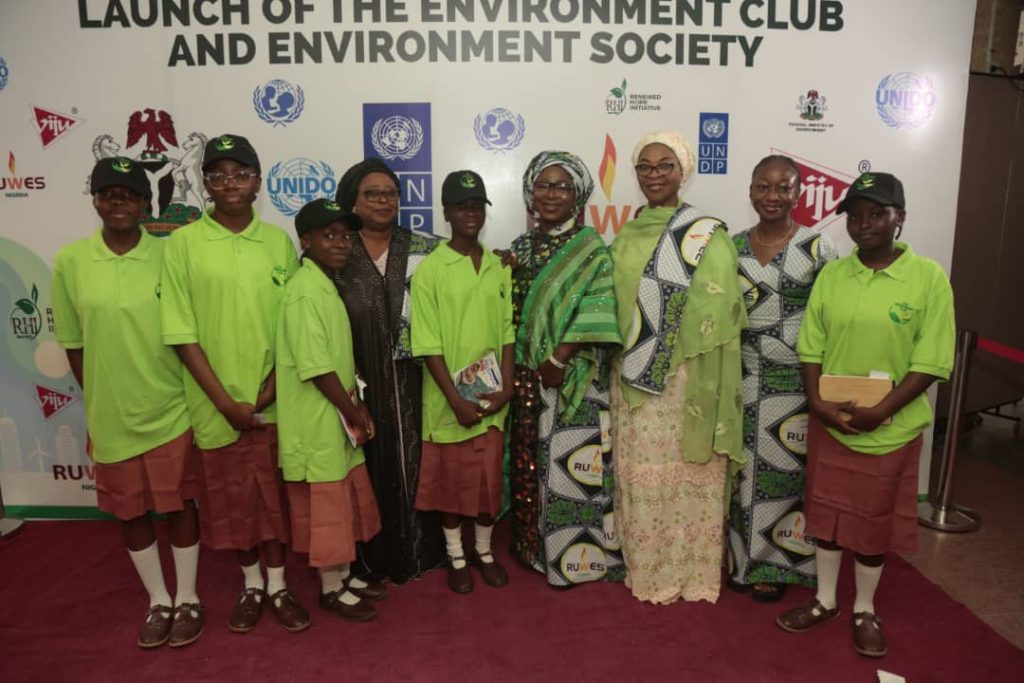
The Federal Ministry of Environment, in partnership with the Office of the First Lady of the Federal Republic of Nigeria, has officially launched the Environment Club of Nigeria (TECN) and the Environment Society of Nigeria (TESN). The inauguration took place at the Banquet Hall of the Presidential Villa, Abuja, and was presided over by Her Excellency Senator Oluremi Tinubu, CON. This landmark event represents a renewed national commitment to strengthening environmental education, youth participation, and climate responsibility across Nigeria. With TECN targeting primary and secondary schools, and TESN focusing on students in tertiary institutions, the initiative aims to build a continuous pipeline of young environmental champions equipped to drive sustainable change. As Nigeria faces increasing environmental challenges—from climate change to pollution, deforestation, and waste management—the role of young people has never been more critical. TECN and TESN have been established to nurture a new generation of environmentally conscious Nigerians who will not only understand these issues but also participate actively in solving them through innovation, advocacy, and practical community action. By embedding environmental awareness into the minds of children and youths, the government is investing in a future where sustainability becomes a culture rather than a campaign. These clubs and societies will serve as hubs of creativity, leadership, and collaboration, empowering young Nigerians to contribute meaningfully to national and global climate goals. The Rural Women Energy Security Initiative (RUWES) was present at the launch, reaffirming its dedication to supporting programmes that strengthen environmental responsibility and create opportunities for youth engagement in the green economy. The establishment of TECN and TESN symbolizes a bold step toward securing Nigeria’s environmental future—one where children and young adults are positioned as key drivers of a cleaner, greener, and more resilient nation.
RUWES Participates in the GEF-GOLD+ Nigeria Project to Eliminate Mercury in Artisanal Gold Mining
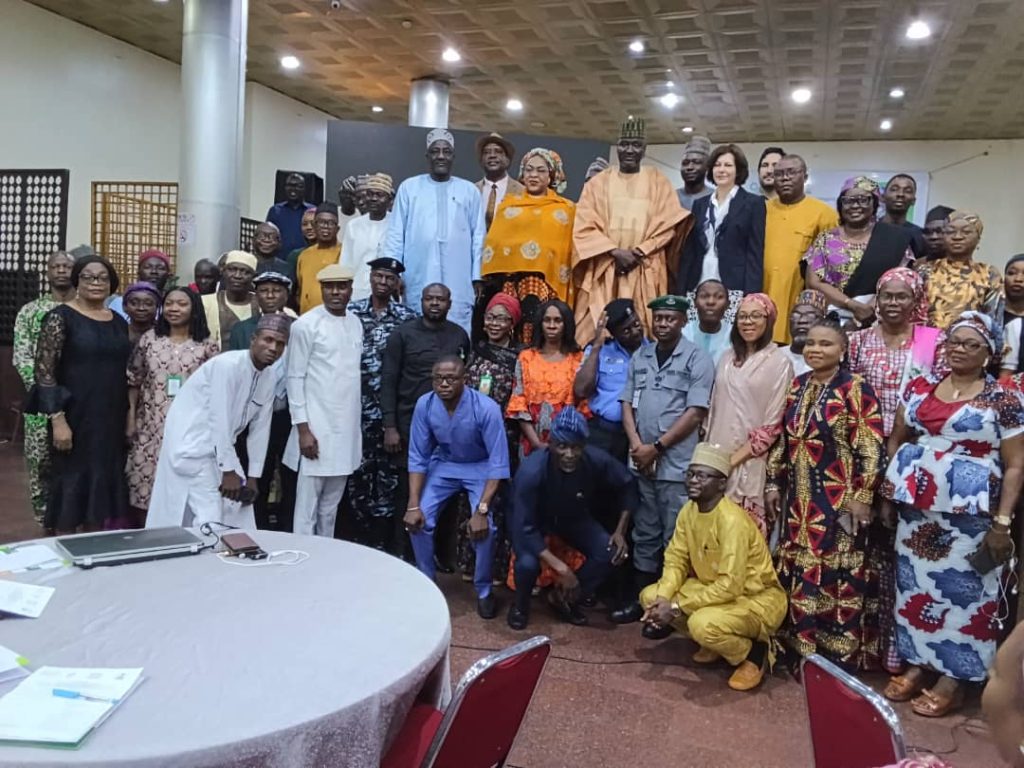
The Rural Women Energy Security (RUWES) Initiative proudly joined national stakeholders in advancing the GEF-GOLD+ Nigeria Project, a strategic intervention aimed at eliminating mercury use in artisanal and small-scale gold mining (ASGM) and promoting safer, cleaner, and more sustainable mining practices across the country. This milestone event brought together key government agencies, international partners, and state representatives committed to reducing mercury pollution and strengthening community resilience. Leadership and Technical Contributions The programme featured a distinguished lineup of speakers and contributors: Alhaji Mahmud Adam Kambari, Permanent Secretary, Federal Ministry of Environment, delivered the keynote address, underscoring Nigeria’s commitment to transitioning away from mercury-dependent mining practices and strengthening the National Action Plan on Mercury Management. Engr. Dr. (Mrs.) Bahijjahtu Abubakar, FNSE, Director of Pollution Control & Environmental Health (PC&EH), presented the welcome remark, emphasizing the urgency of adopting mercury-free technologies, formalizing the mining sector, and protecting vulnerable populations. Goodwill messages were delivered by representatives of UNIDO and state delegates from Kaduna, Niger, Zamfara, and Kebbi States, highlighting their readiness to collaborate and scale up environmentally responsible mining initiatives. RUWES Representation RUWES was ably represented by its Head of Secretariat (HOS), Jumaima Ella, who attended alongside the RUWES technical team. The delegation reaffirmed RUWES’ dedication to: Advancing the Minamata Convention in Nigeria The GEF-GOLD+ Nigeria Project directly supports the implementation of the Minamata Convention on Mercury, focusing on: Through strong partnerships and community-driven action, the project aims to reduce mercury pollution, protect ecosystems, and advance sustainable economic growth in mining communities.
RUWES Participates in Seminar on Implementation Guidelines for the National Policy on Plastic Waste Management
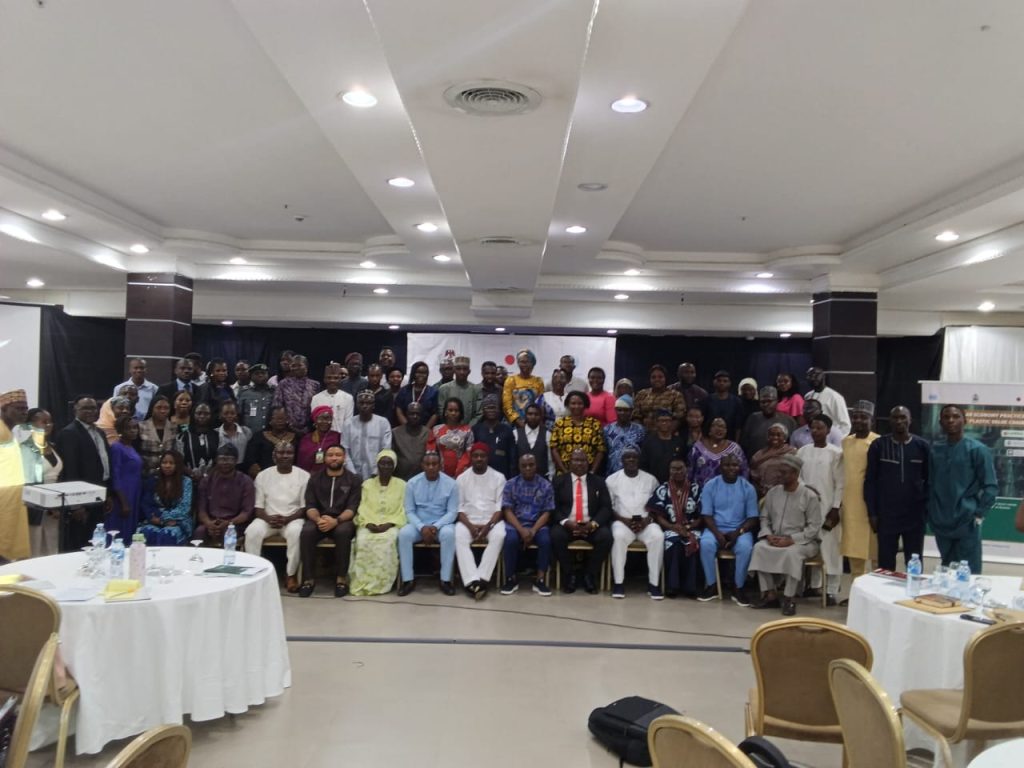
On 25th November 2025, RUWES participated in the Presentation Seminar on the Implementation Guidelines for the National Policy on Plastic Waste Management, held at the Abuja Continental Hotel. The event was organized by the Federal Ministry of Environment, in collaboration with UNIDO and the Embassy of Japan, under the theme “Promoting Sustainable Plastic Value Chains Through Circular Economy Practices.” The seminar featured key presentations on strengthening plastic waste management systems, improving collection and diversion practices, and implementing regulatory measures for single-use plastics. The welcome remark was delivered by Mrs. Falmata Buka Kolo, Director 2, on behalf of the Director of PC&EH, Engr. Dr. (Mrs.) Bahijjahtu Abubakar. RUWES was well represented by the Head of Secretariat, Mrs. Jumaima Ella, who actively engaged during the technical sessions and asked relevant questions that emphasized the need for inclusive and sustainable plastic reduction strategies. RUWES remains committed to supporting national efforts toward improved plastic waste management and advancing circular economy practices across communities.
RUWES Joins Stakeholders to Commemorate World Ozone Day and the 40th Anniversary of the Vienna Convention
The Rural Women Energy Security (RUWES) Initiative Nigeria joined other stakeholders on 16th September 2025 to commemorate World Ozone Day and mark the 40th Anniversary of the Vienna Convention for the Protection of the Ozone Layer in Abuja. At the event, RUWES was proudly honored with the Green Cooling Women Initiative Award, with the Head of Secretariat (HOS), Mrs. Jumaima Ella, leading the team in receiving the award. This recognition highlights RUWES’s commitment to clean energy solutions, climate-smart practices, and empowering women to play key roles in environmental protection. RUWES continues to: The award reaffirms RUWES’s leadership in driving climate action and contributing to a greener, healthier future for Nigeria. #WorldOzoneDay #GreenCooling #RUWES #WomenInClimate #Sustainability
RUWES at COP-6 of the Minamata Convention on Mercury

The Rural Women Energy Security (RUWES) Initiative participated in the Sixth Conference of the Parties (COP-6) to the Minamata Convention on Mercury, reaffirming its commitment to protecting rural women from the dangers of mercury exposure. As an active member of the Women’s Caucus, RUWES joined global advocates in promoting gender-responsive mercury policies and ensuring that the voices of women—especially those in rural and mining communities—are reflected in international decision-making. At COP-6, RUWES emphasized the need for safer livelihoods, clean energy alternatives, and increased grassroots awareness. The delegation also strengthened partnerships with national and international stakeholders working to eliminate mercury pollution, including advancing mercury reduction in products and promoting safer artisanal and small-scale gold mining (ASGM) practices. Through its participation, RUWES reaffirmed its commitment to championing women’s health, environmental justice, and mercury-free development across Nigeria.
Partnership with Department for International Development – Nigeria Infrastructure Advisory Facility (DFID/NIAF)
The UK’s Department for International Development (DFID) has developed a working Monitoring and Evaluation as well as a Management Information System toolkit for the RUWES initiative. The Monitoring and Evaluation (M&E) System is critical to RUWES in carrying out its projects effectively and efficiently and boosting accountability to beneficiaries, donors and other stakeholders. The M&E system will help RUWES ensure that funds are used as intended and that projects are implemented as planned. In the long-run, it can provide information required to determine whether the program/intervention achieved its objectives. In addition to that, the M&E system allows entities or programs to obtain real-time information from the field to verify and evaluate the impact on beneficiaries as well as provides opportunities for dialogue between the entity and stakeholders and will allow RUWES to have an accurate understanding of activities and results.